From Lab Bench to Policy Desk
A biologist who found his calling in the space between science, technology, and governance.
Roots
I was born and raised in Panvel, a node in Navi Mumbai. My father works as a Project Manager at Cognizant, my mother is a high school teacher. I grew up in a home that valued both knowledge and public service.
Early on, I developed a strong interest in science and technology — particularly how they can drive social impact. That curiosity led me to pursue Biological Sciences at IIT Madras, supported by the Kishore Vaigyanik Protsahan Yojana scholarship from the Government of India.
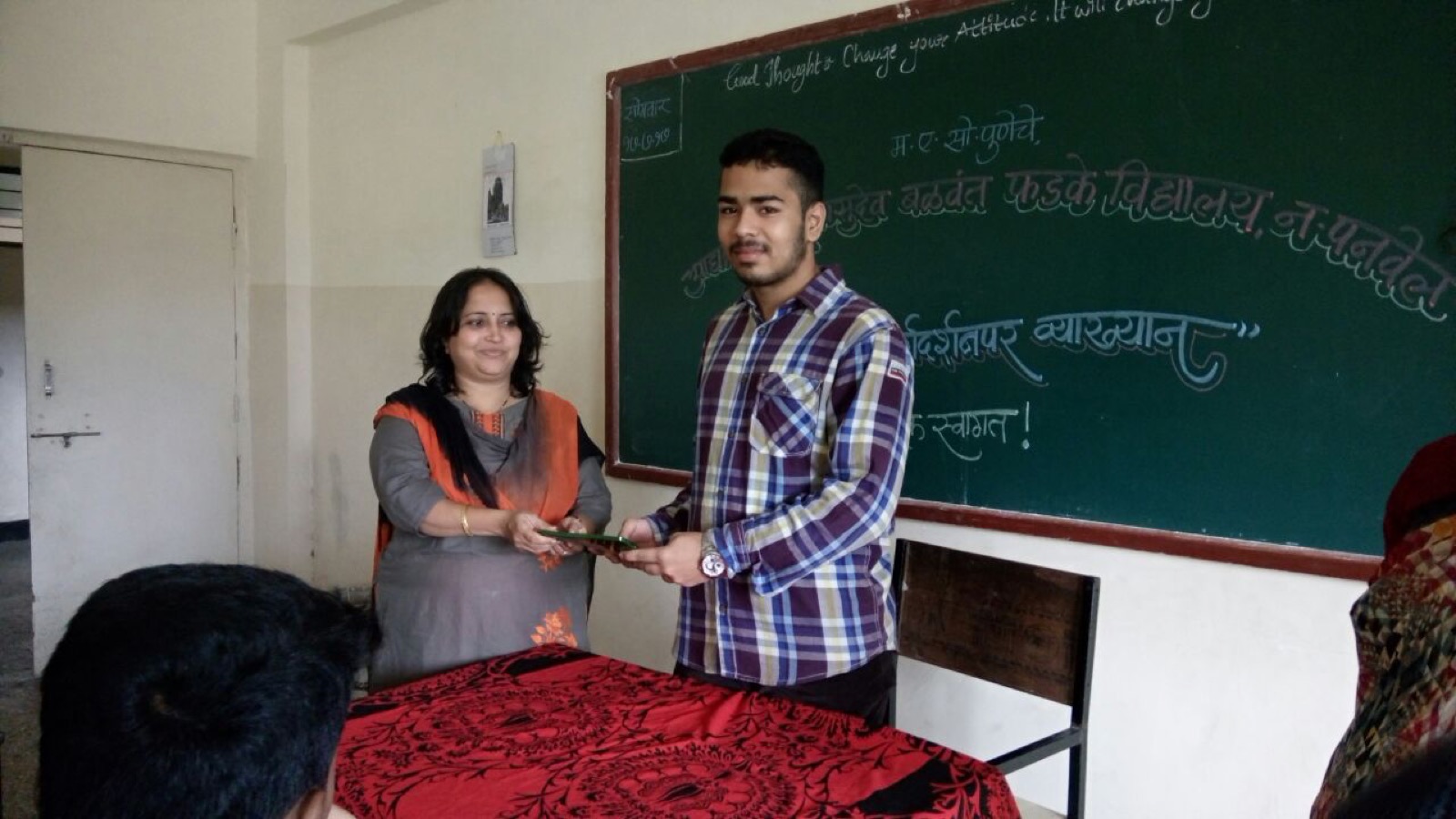
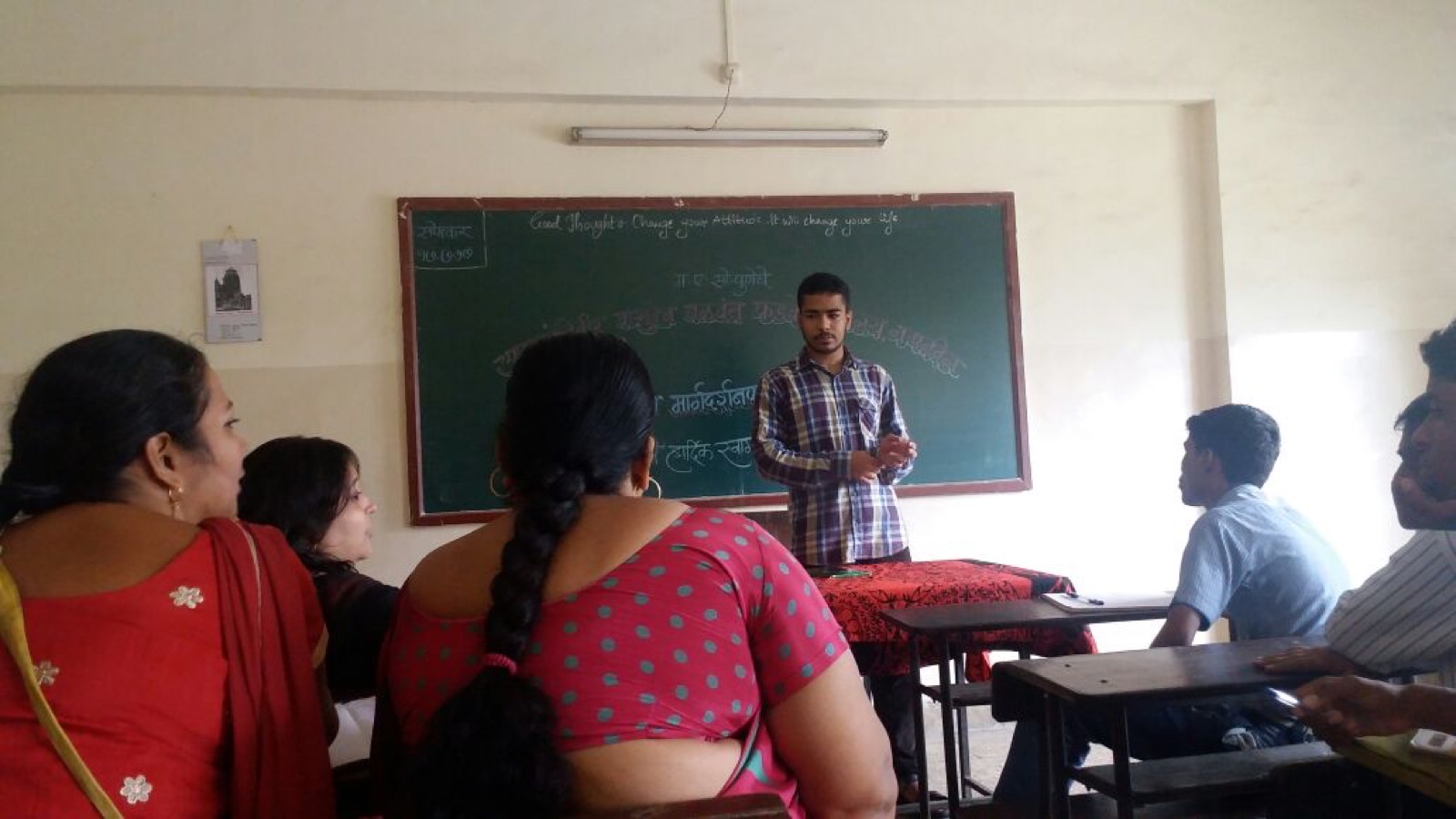
Giving a lecture on competitive exams at Adyaveer Vasudev Balwant Phadke High School. Mentorship, especially for students from Marathi-medium and state board backgrounds, has always been close to my heart. I've mentored several students including my sister, who is now at IIT Bombay.
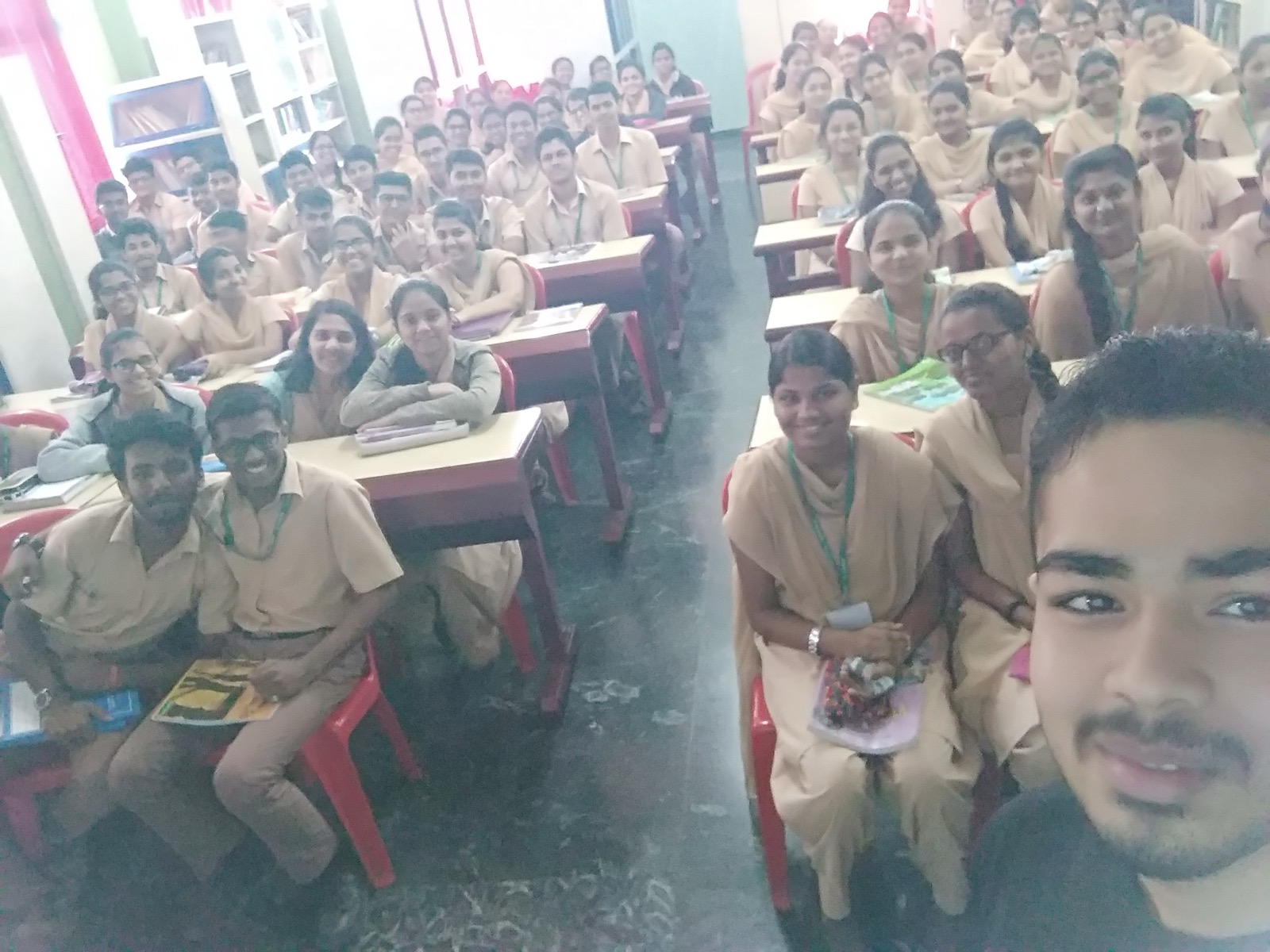
Returning to mentor students at my school and junior college, 2019.
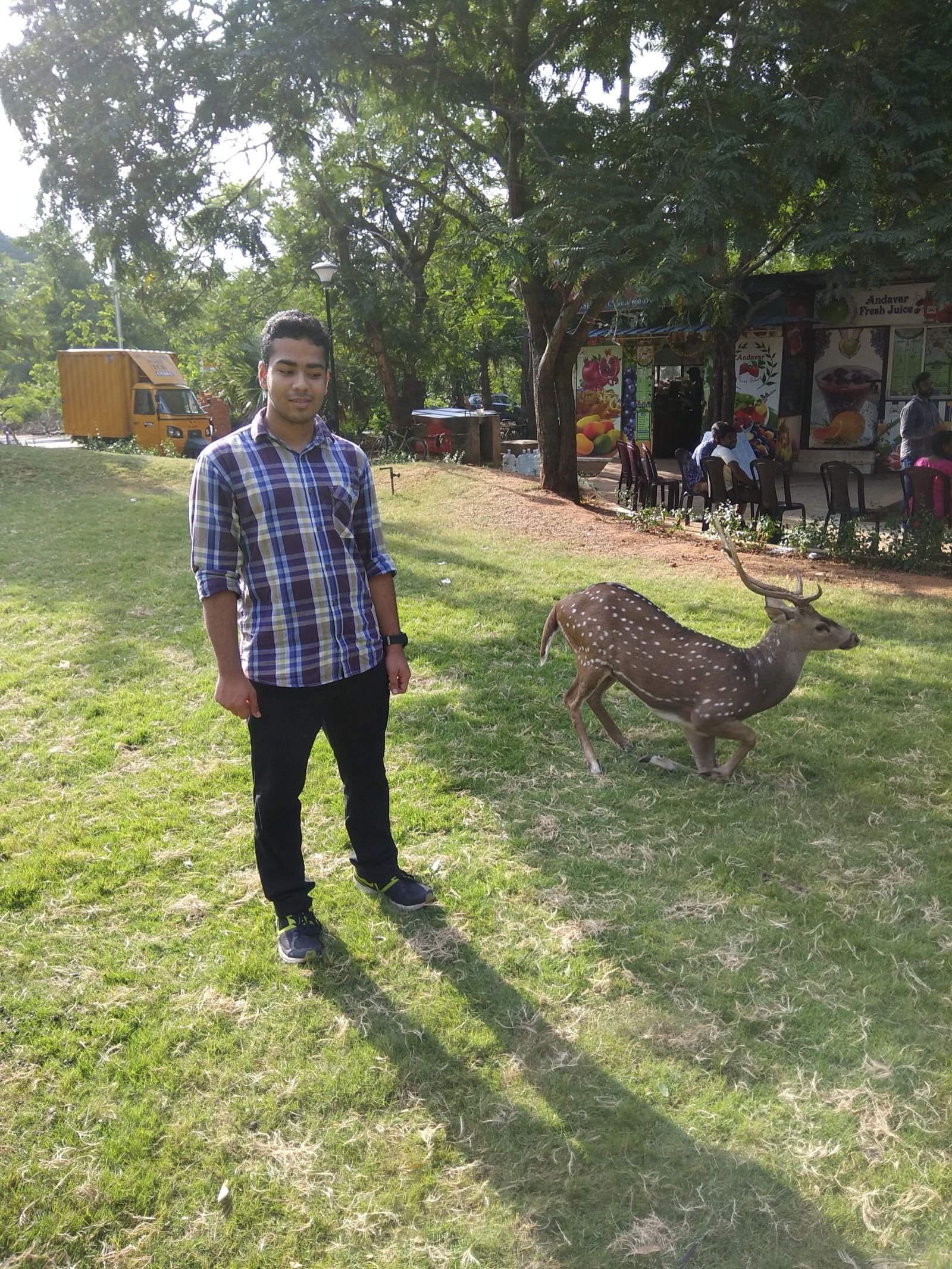
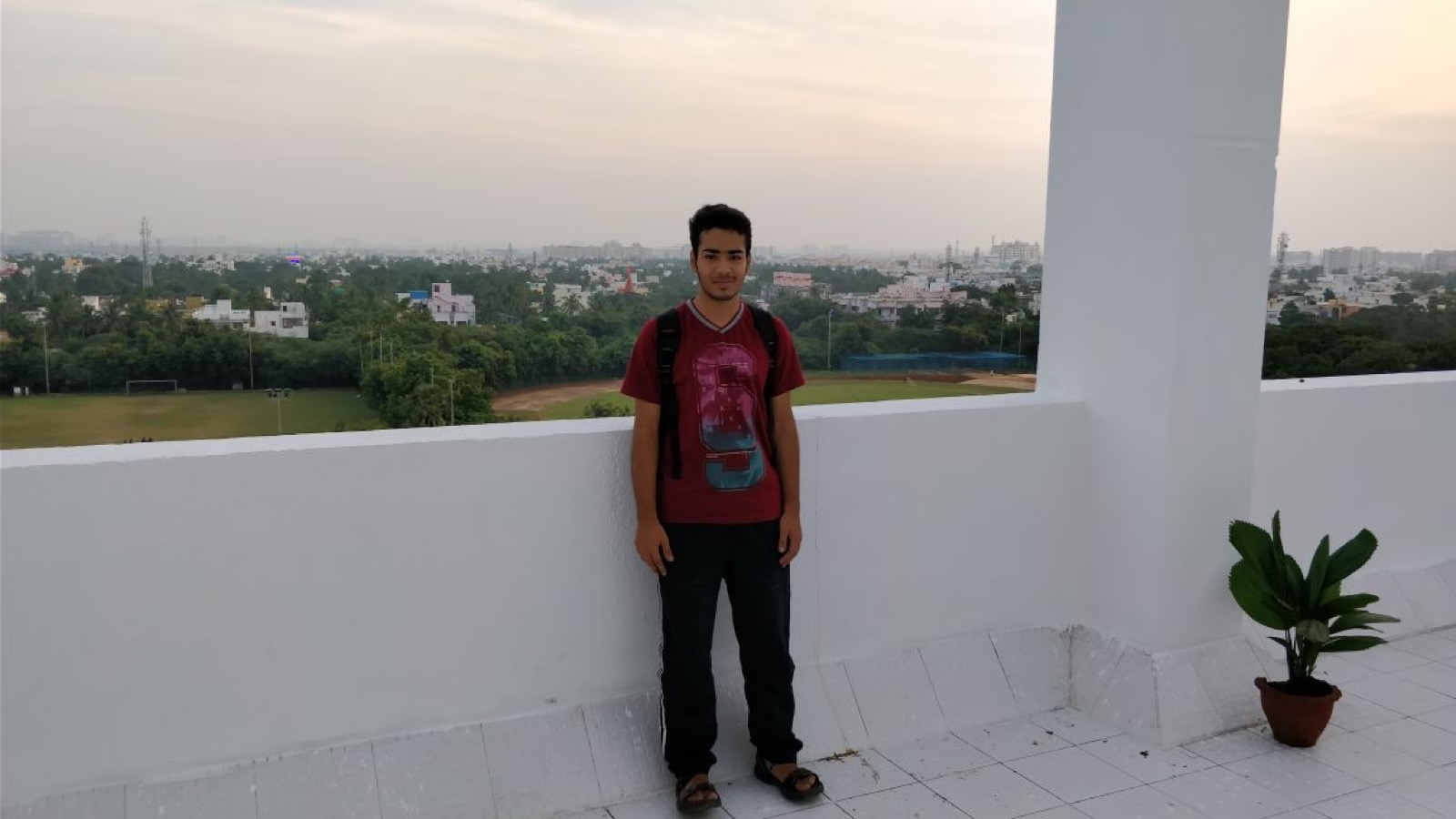
First day at IIT Madras — meeting the famous campus deer (left). On campus, 2017 (right).
The Scientist
At IIT Madras, I dove deep into research. I interned at the Nanomedicine Lab at IIT Bombay, contributing to work published in the Royal Society Journal. I led the iGEM IIT Madras team of 20 members — managing a budget of five lakh rupees, coordinating with 12 teams globally.
We won a Gold Medal at the competition and were ranked in the top 5 globally for public engagement out of 350+ teams. Our project assessed eco-friendly biopharmaceutical production of the anti-cancer drug camptothecin.
"We created The Language Project — 105 videos in 26 languages explaining synthetic biology. It earned 75,000+ views and was endorsed by the Principal Scientific Advisor to the Government of India."
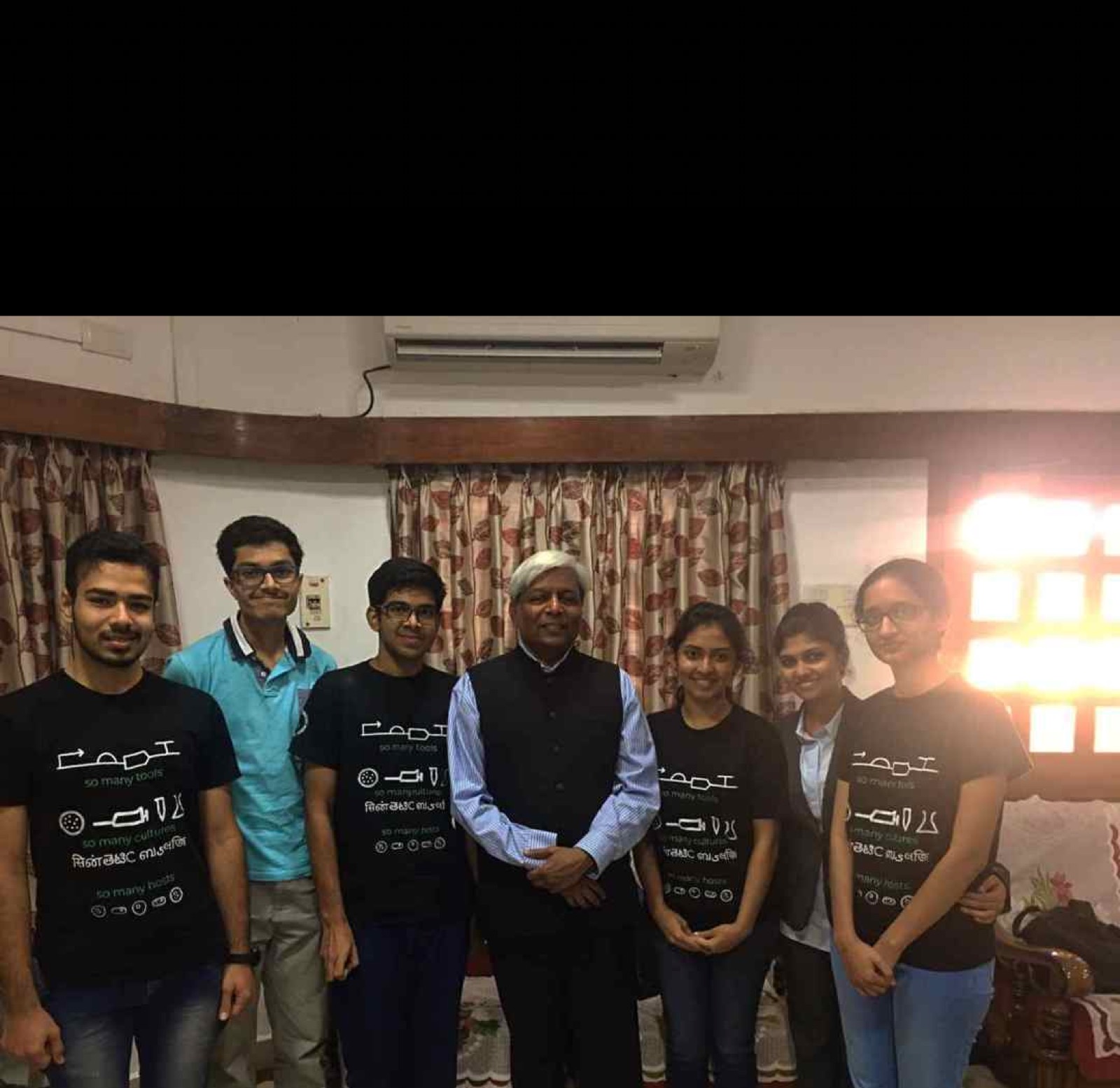
iGEM IIT Madras team with Dr. K. VijayRaghavan, Principal Scientific Advisor to the Government of India, who endorsed The Language Project.
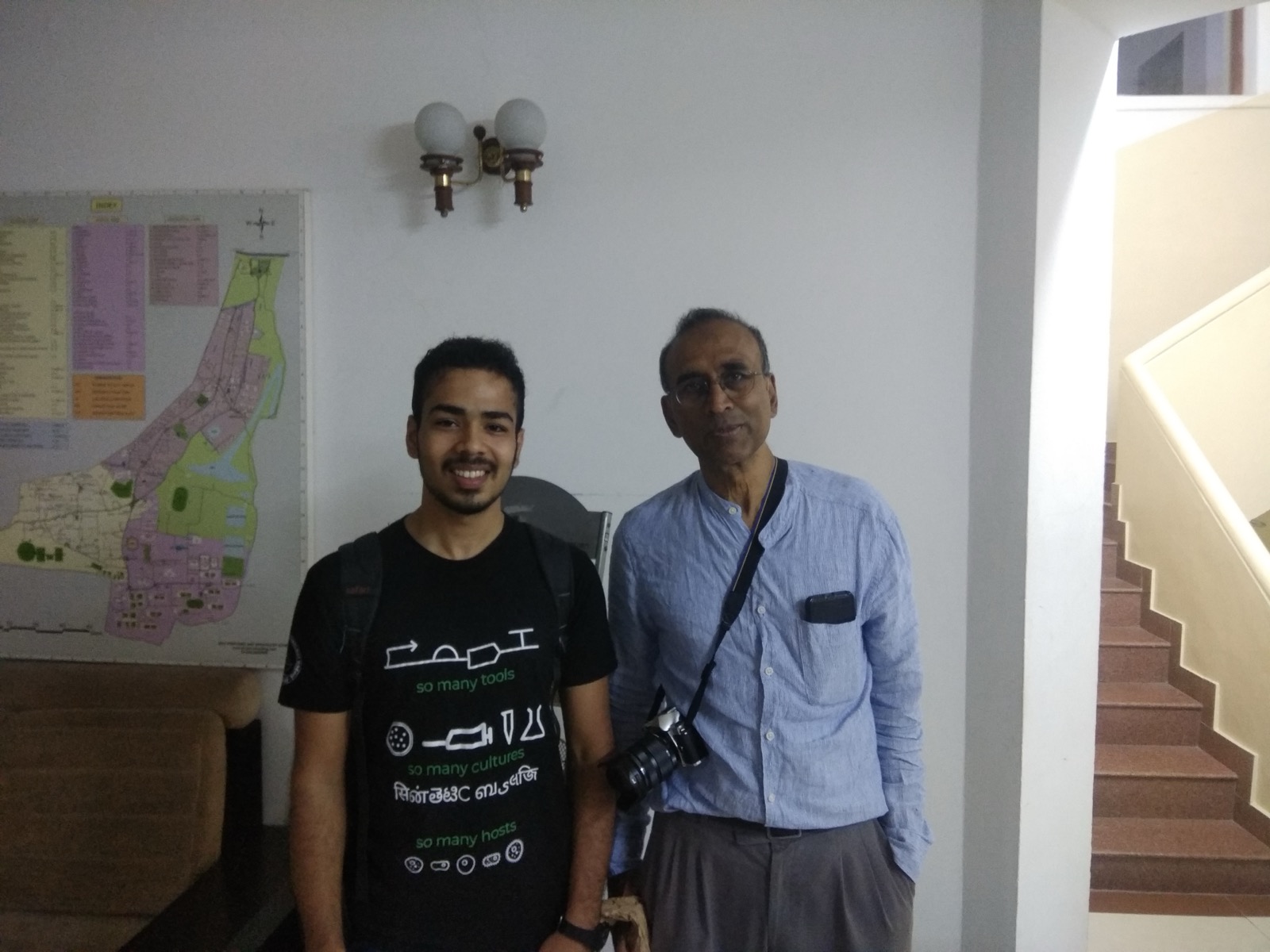
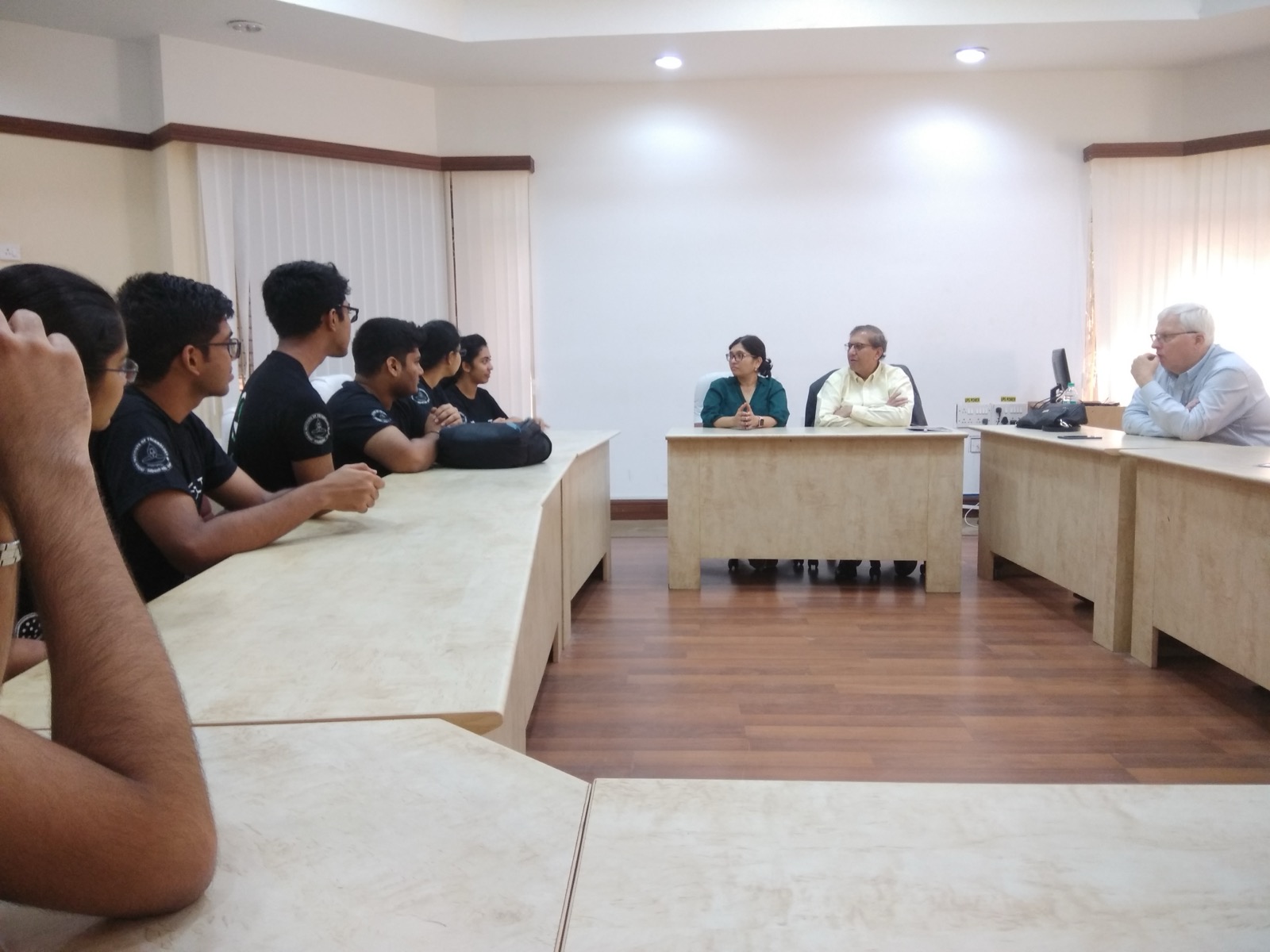
With Nobel laureate Venki Ramakrishnan, then President of the Royal Society (left). Presenting our iGEM project to the Mehta family, primary donors for the biotech department at IIT Madras (right).
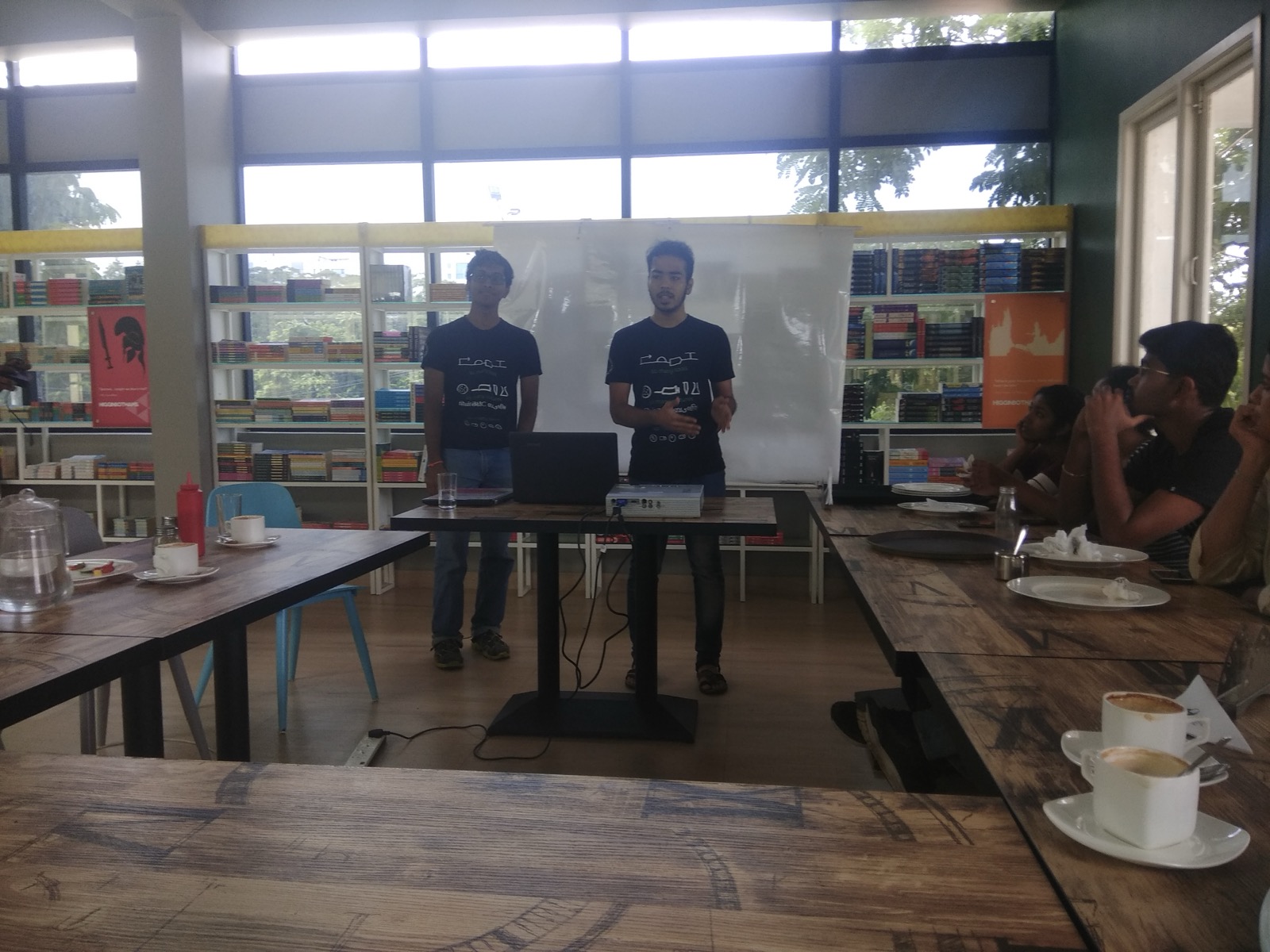
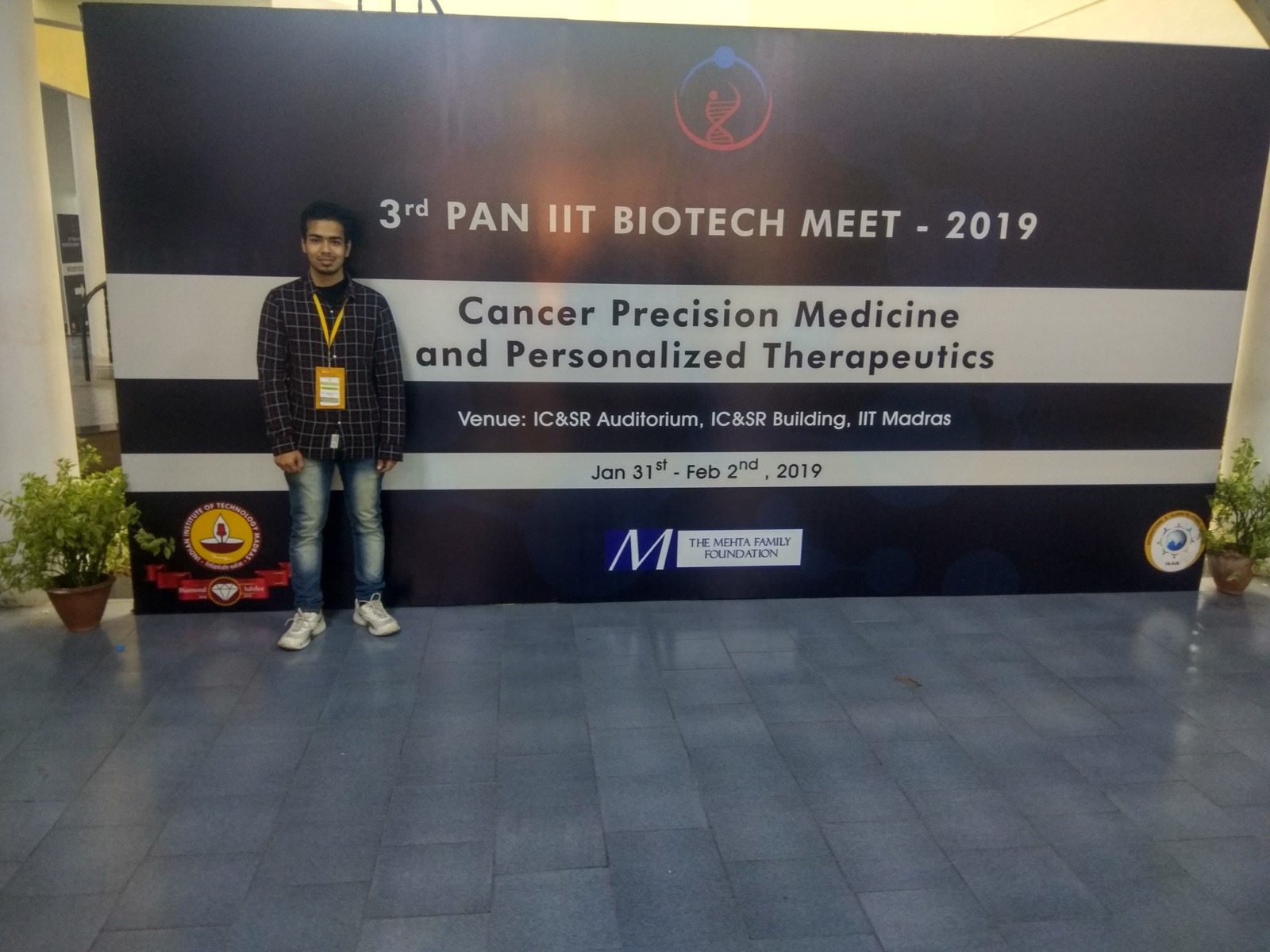
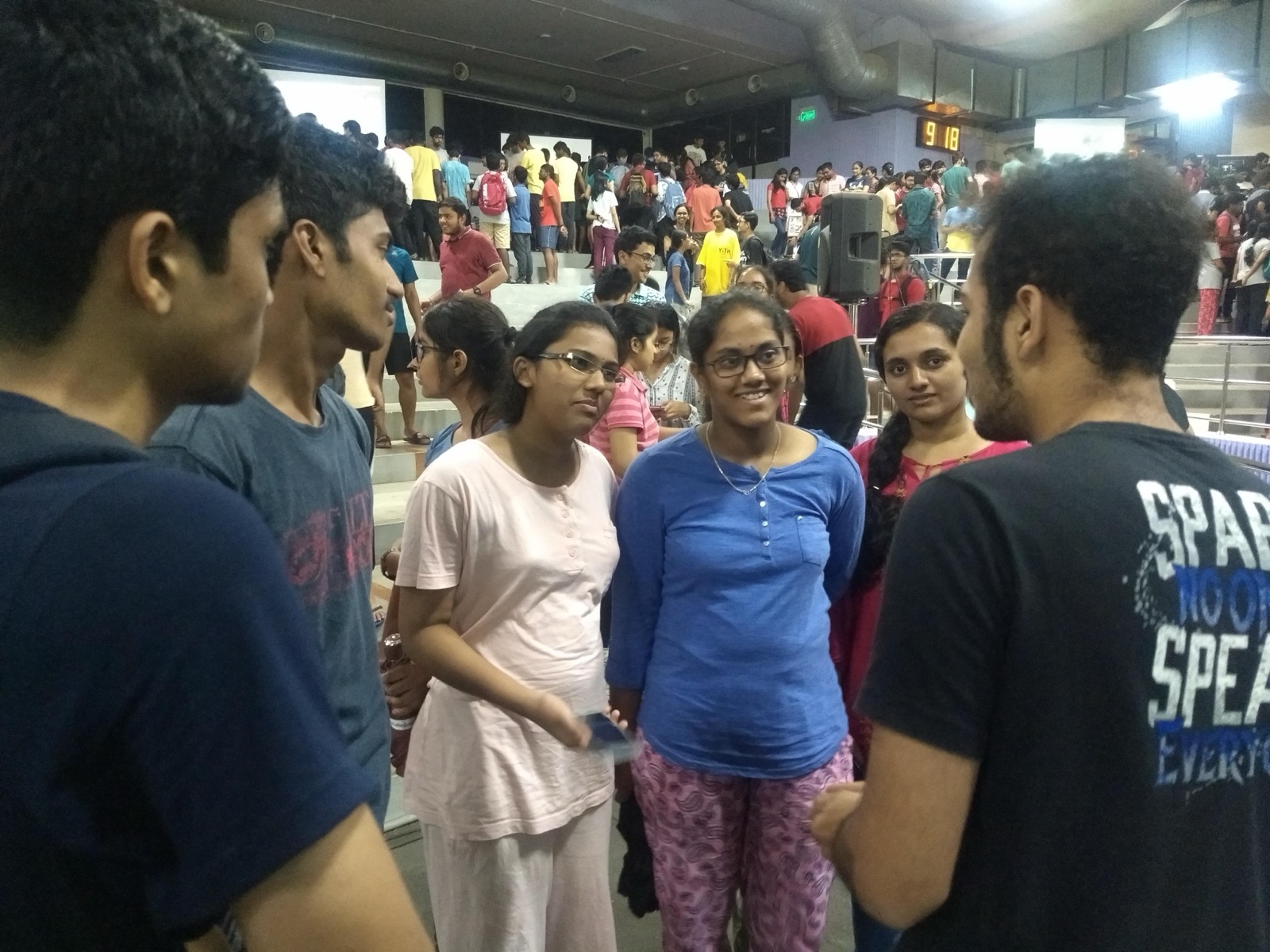
Presenting iGEM to a science communications community in Chennai. Volunteering at the 3rd Pan IIT Biotech Meet. Answering curious juniors' questions after an iGEM presentation at IIT Madras.
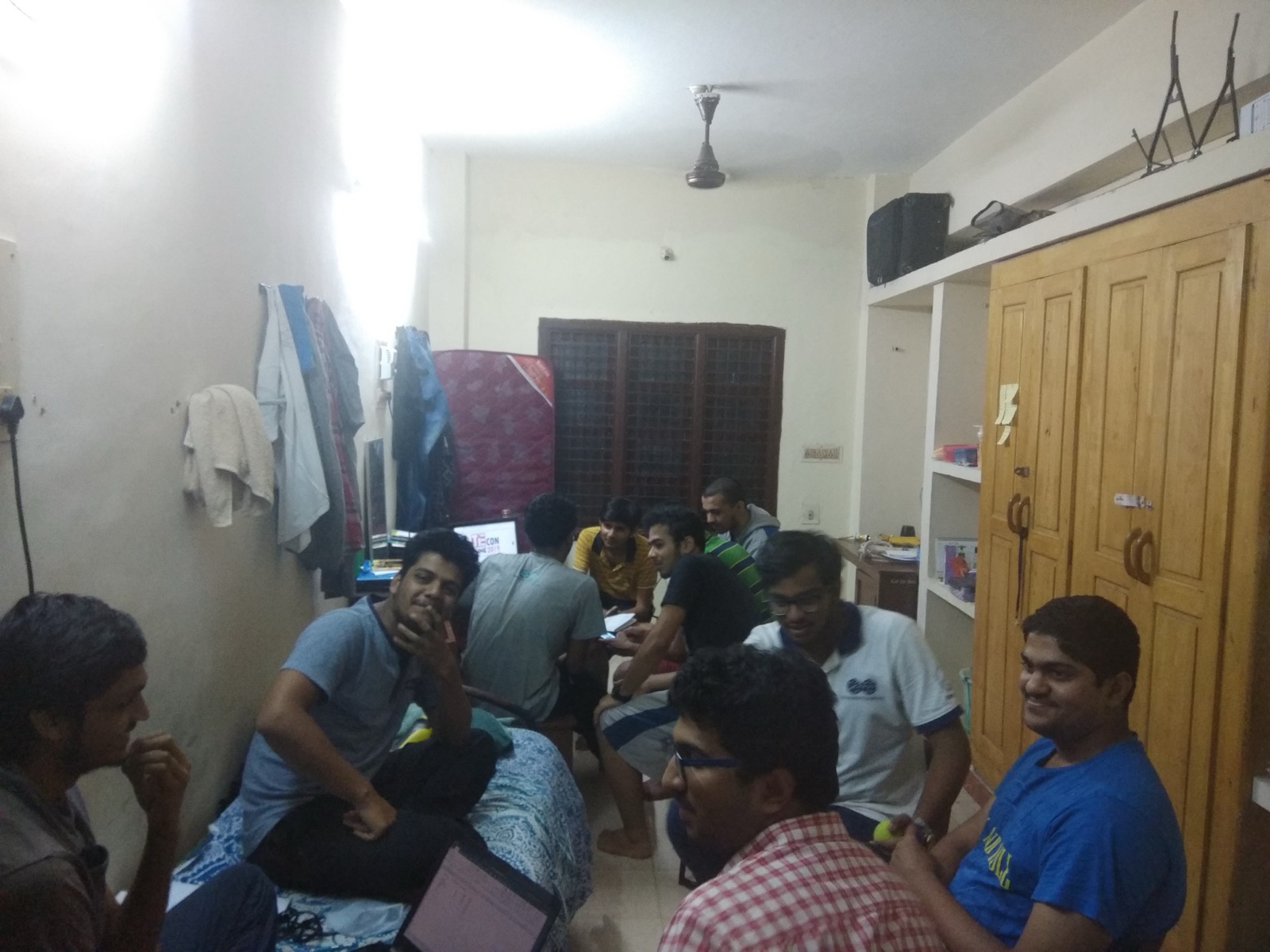
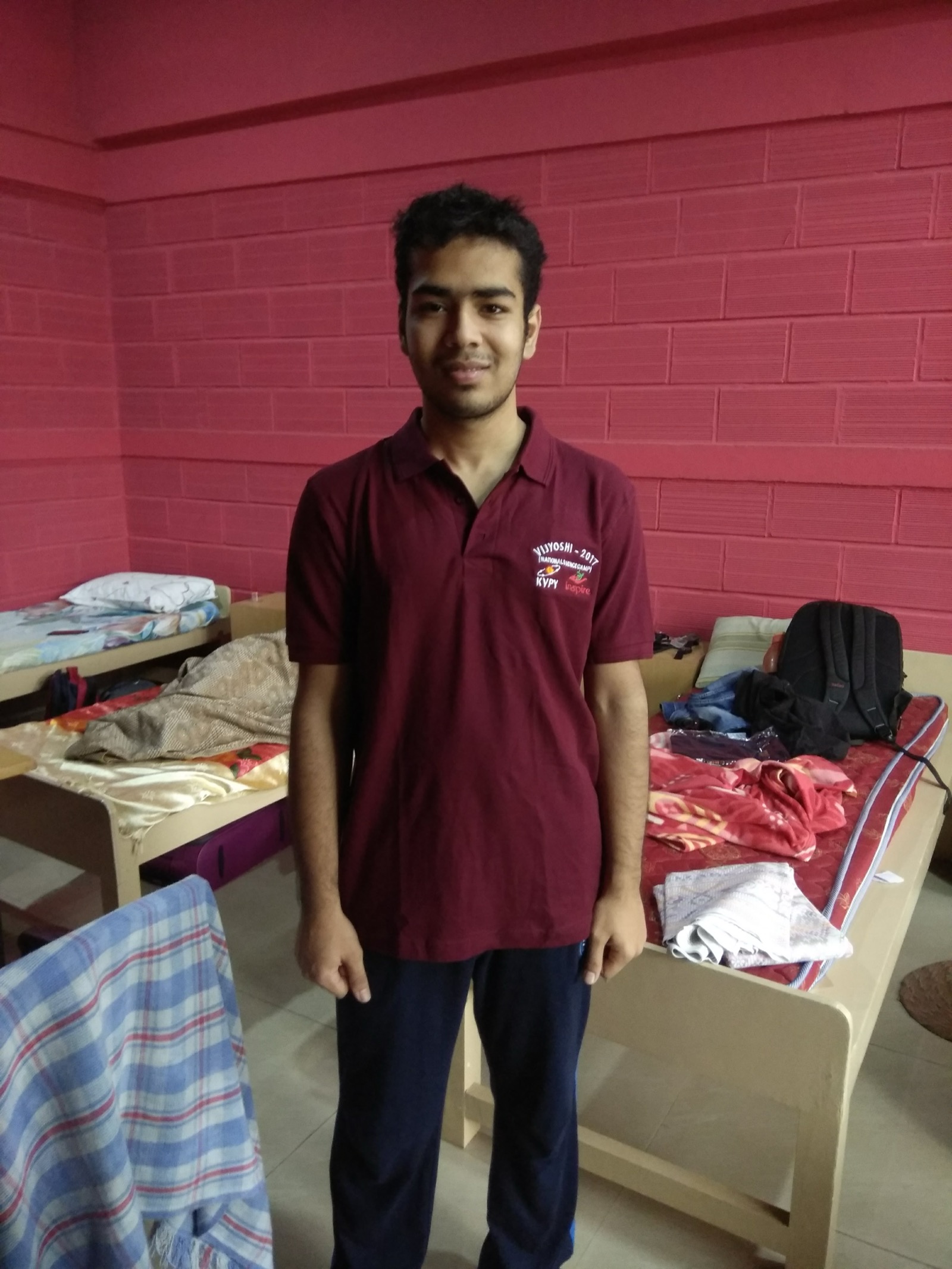
Late-night Biofest team meetings at my hostel room (left). At Vijyoshi Camp, IISc Bangalore — a gathering for KVPY Fellows. IISc was my dream college (right).
The project was covered by Times of India and The New Indian Express. It was a moment of immense pride — but it also planted a seed that would change everything.
The Pivot
I was trying to explain synthetic biology to a campus security guard in Hindi. I was stumbling through it, reaching for simpler words, backtracking. By the end, he got it. More than that, he was fascinated. He also immediately grasped the risks — that engineering living organisms at this scale carried consequences worth serious thought.
Here was someone with no science background, no English, no access to the papers I took for granted, yet holding a serious, nuanced view of a technology that will shape his life. He just needed someone to explain it in a language he actually spoke. Only 12.18% of India's population understands English. Nearly all science communication happens in English. That gap felt like a design flaw, not a given.
"Every conversation changed how we thought about the research. What constraints mattered? What success actually looked like? Whose interests were we serving? That's what pulled me toward policy."
Leading iGEM's integrated human practices deepened this shift. Our project involved engineering a fungus to produce an anti-cancer compound, to reduce harvesting of an endangered plant in the Western Ghats. A forest officer in Raigad told us why the plant was being felled. An oncologist in Chennai walked us through how the drug reaches patients. Conservationists flagged what we'd missed about tribal communities near the Ghats. I found I enjoyed that intersection — where science meets the people it affects — more than the lab.
I began studying economics, policy, and international relations — completing a minor in International Relations alongside my master's thesis in Evolutionary Biology and Bioinformatics.
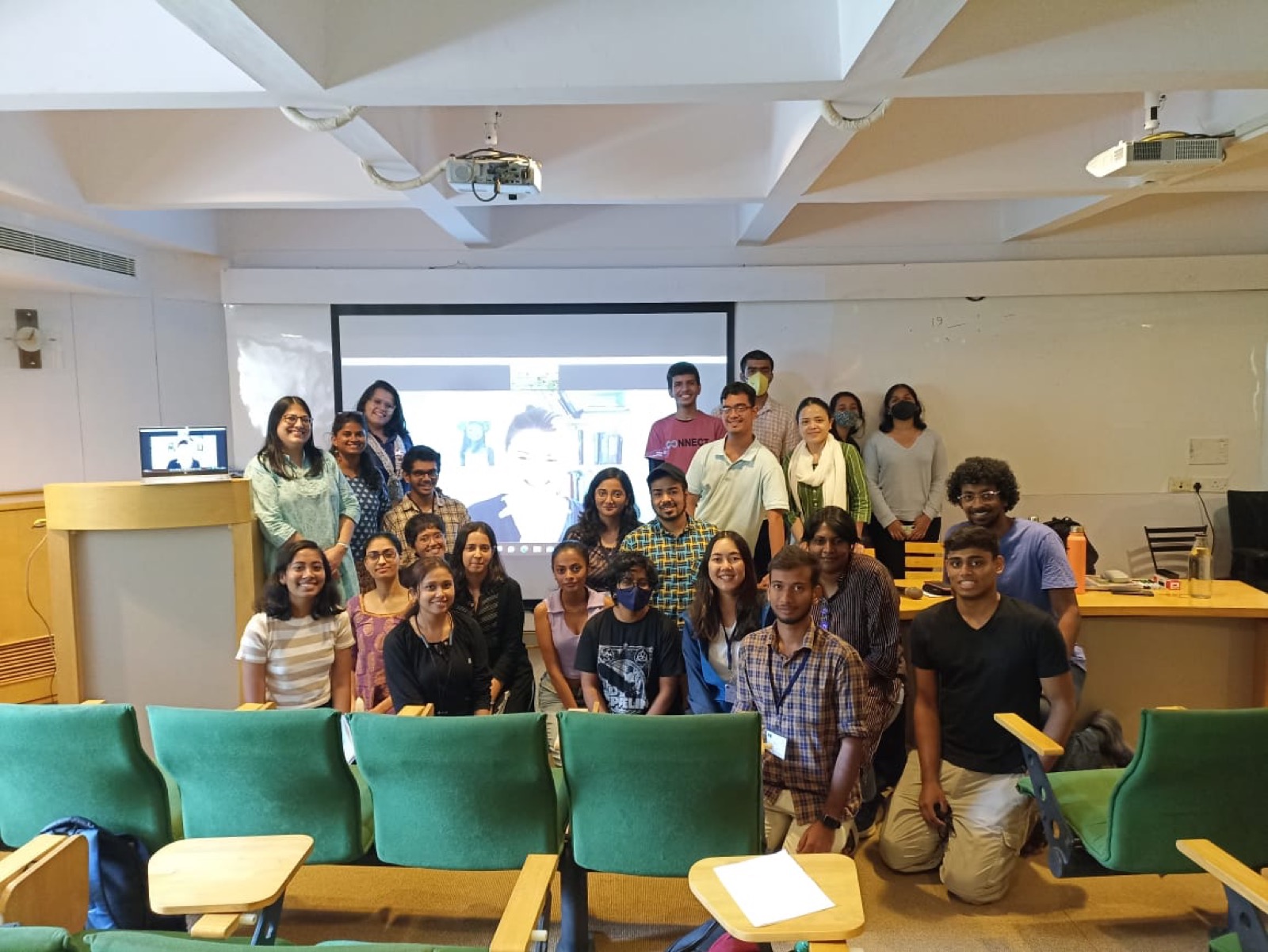
Carbon Summer School at NCBS, Science Gallery Bengaluru, June 2022.
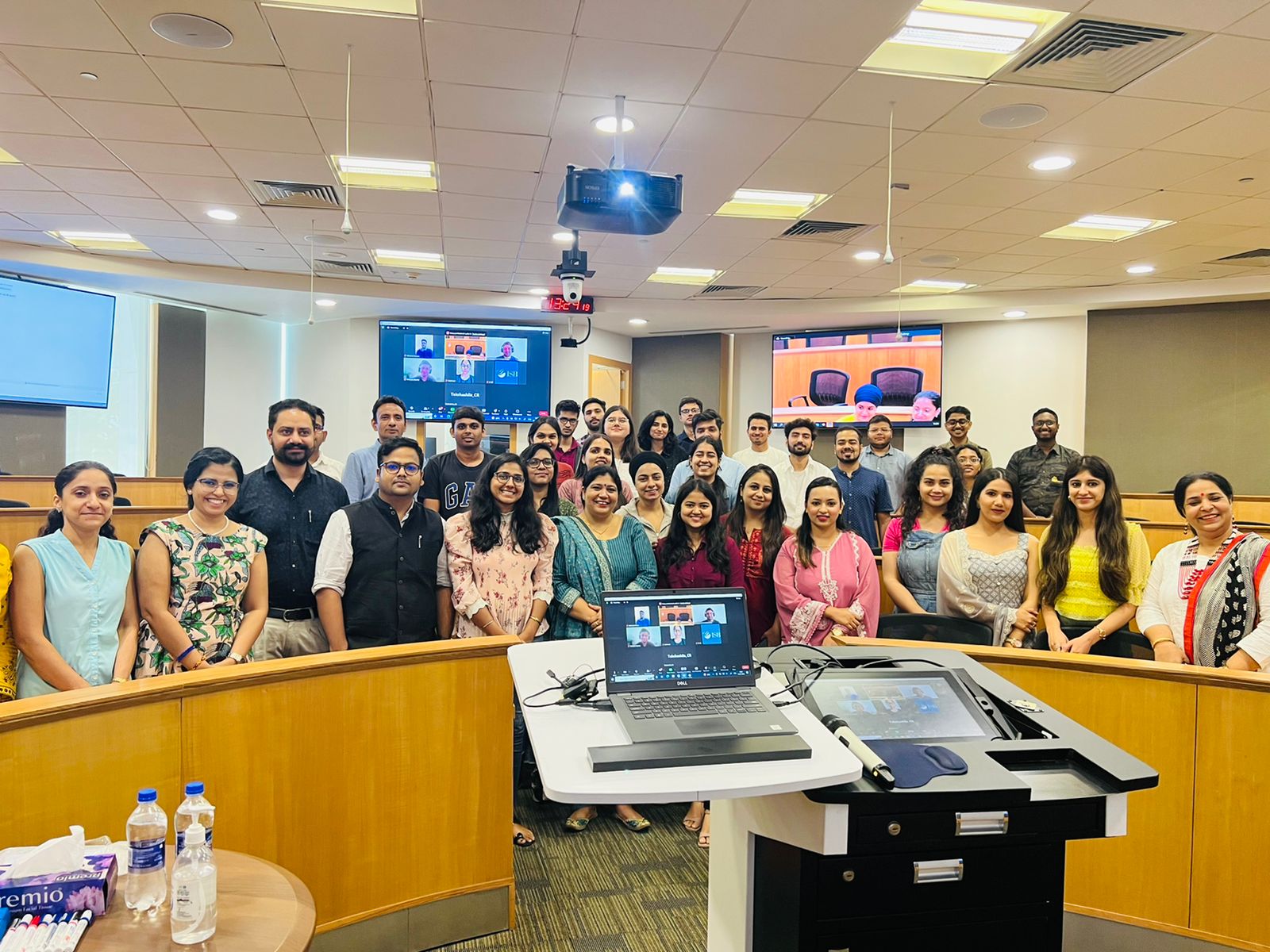
ISB-LBSNAA internship cohort at the Bharti Institute of Public Policy, 2022.
The Policy World
Towards the end of my degree, I knew I wanted to work in the impact space. I interned at the Bharti Institute of Public Policy (ISB) in collaboration with LBSNAA, where I helped IAS officer trainees analyse central government schemes like PMKSY, PMMSY, and Mission Covid Suraksha. The dashboards I built were adopted in multiple policy case exercises.
At the Takshashila Institution, I worked on antimicrobial resistance policy for India's G20 health track. The research was published in the Indian Public Policy Review and used as input in the G20 healthcare discussions.
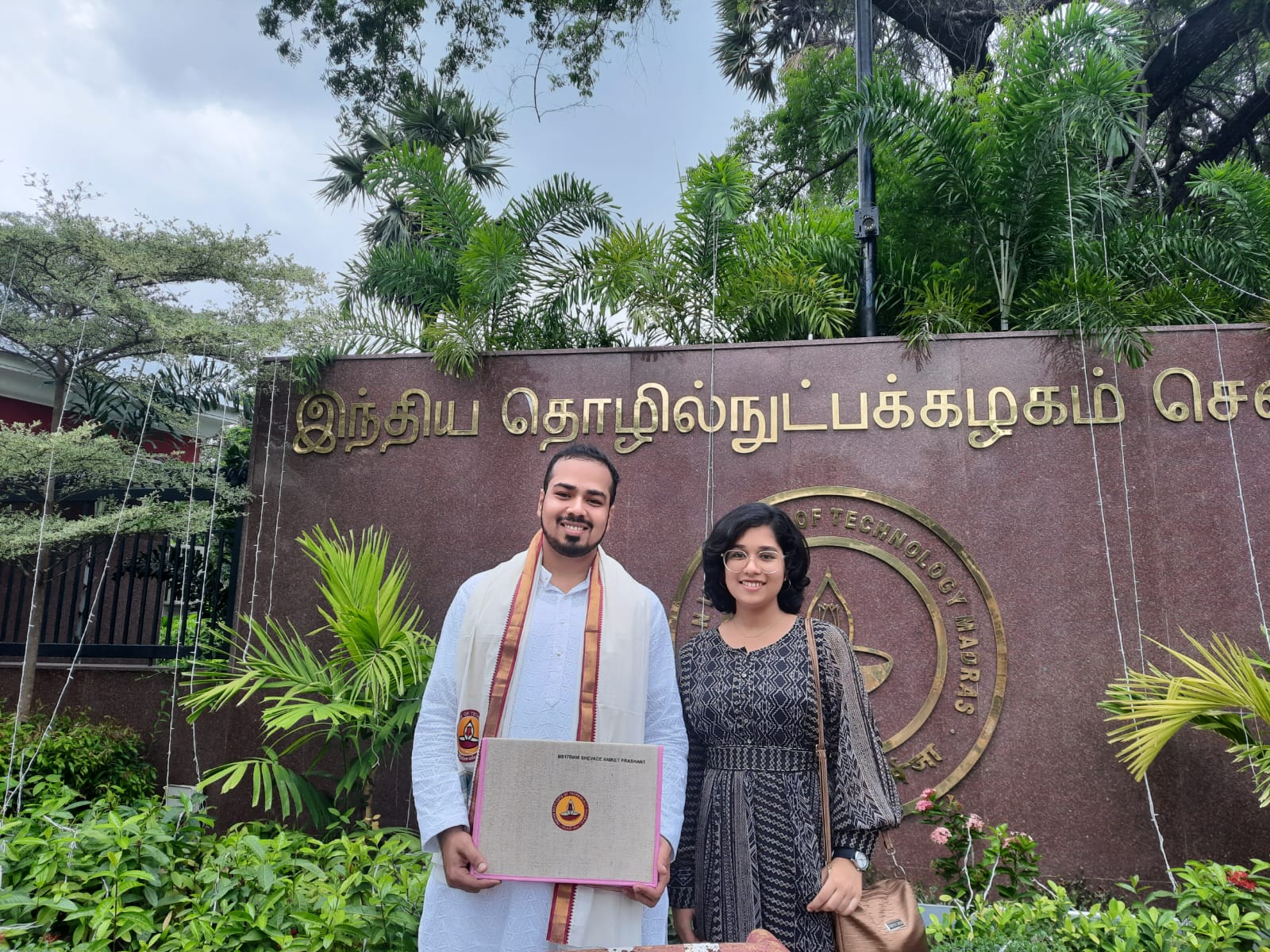
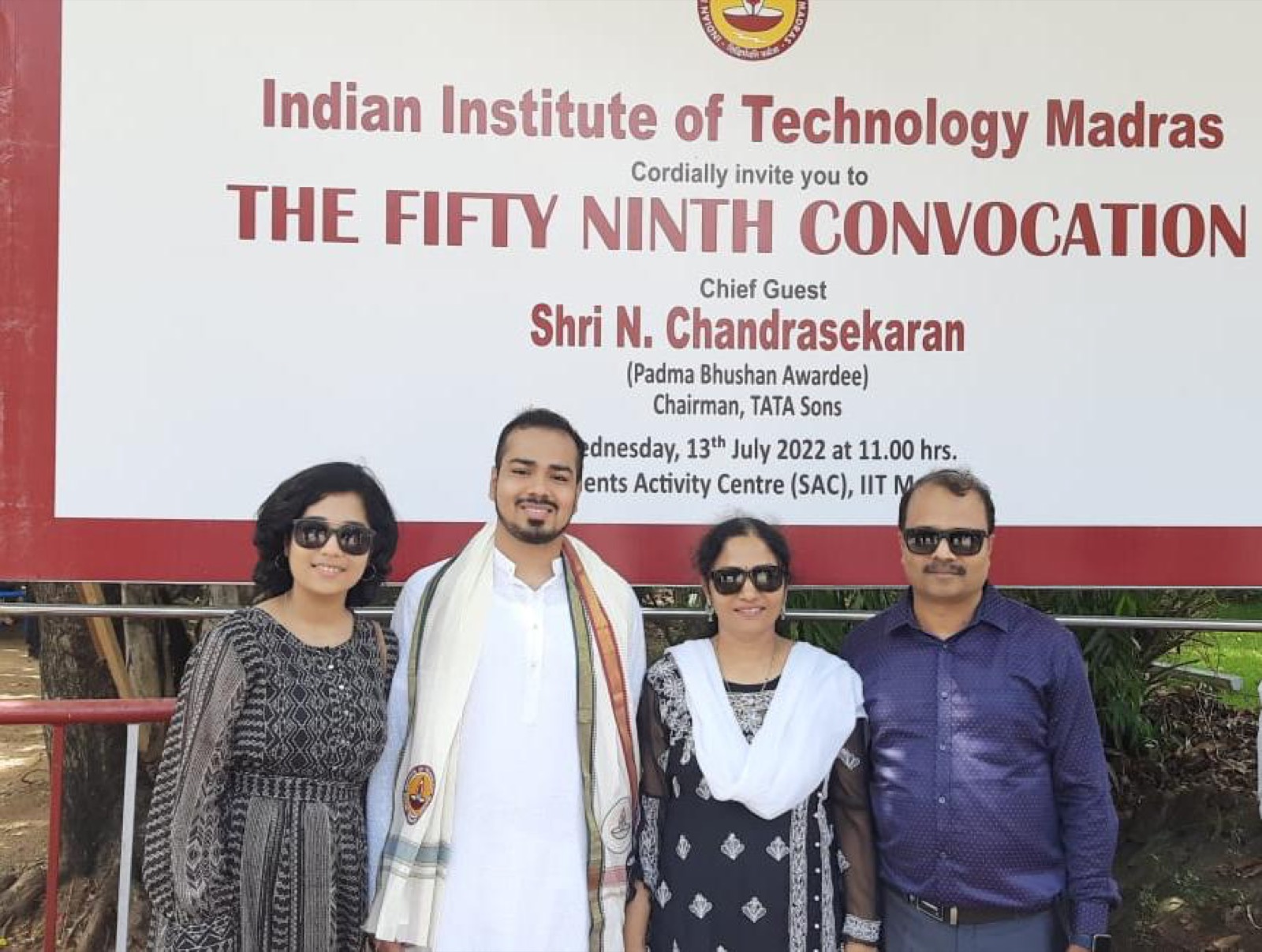
59th IIT Madras Convocation, 13th July 2022. With my sister (left) and family (right).
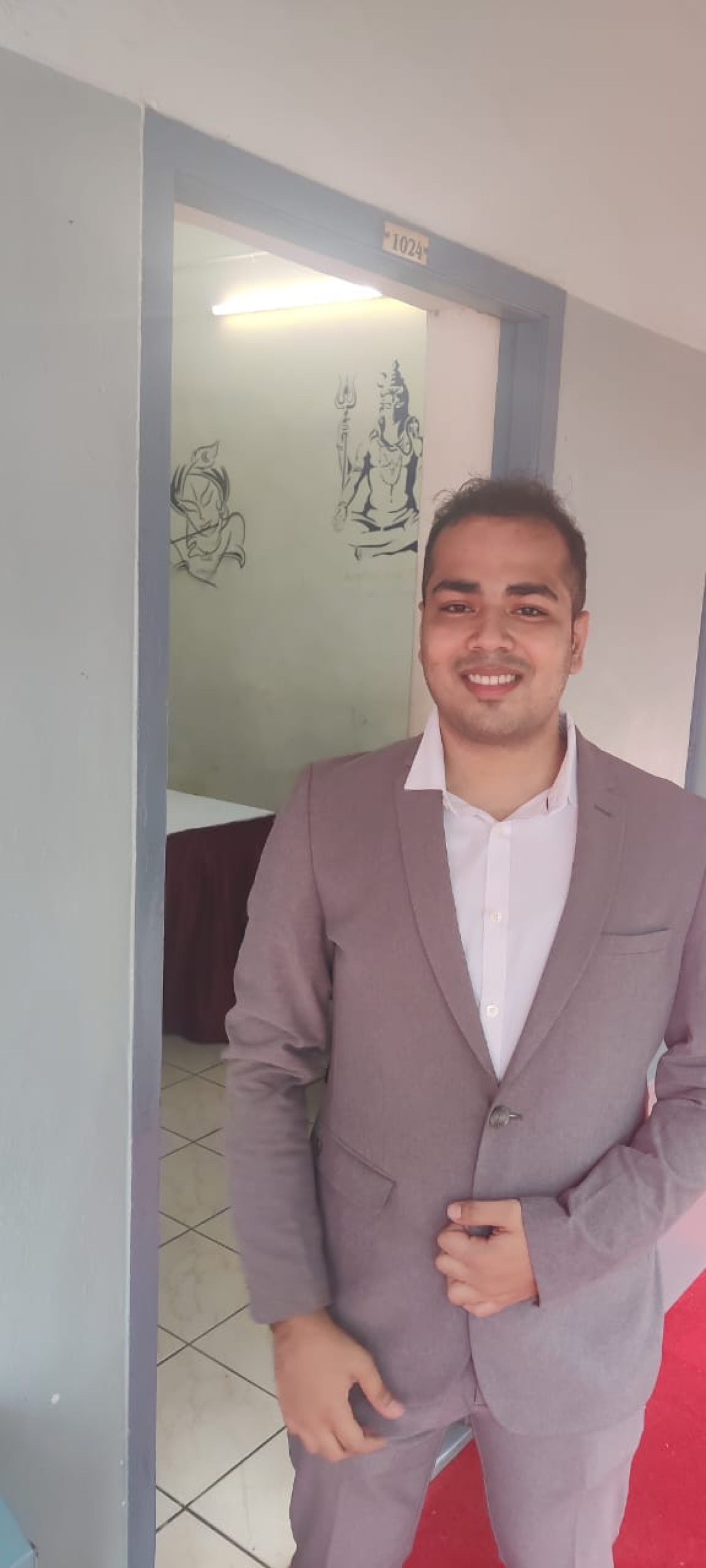
Placement day — standing at my first room in Cauvery Hostel, where it all began. Full circle, 2022.
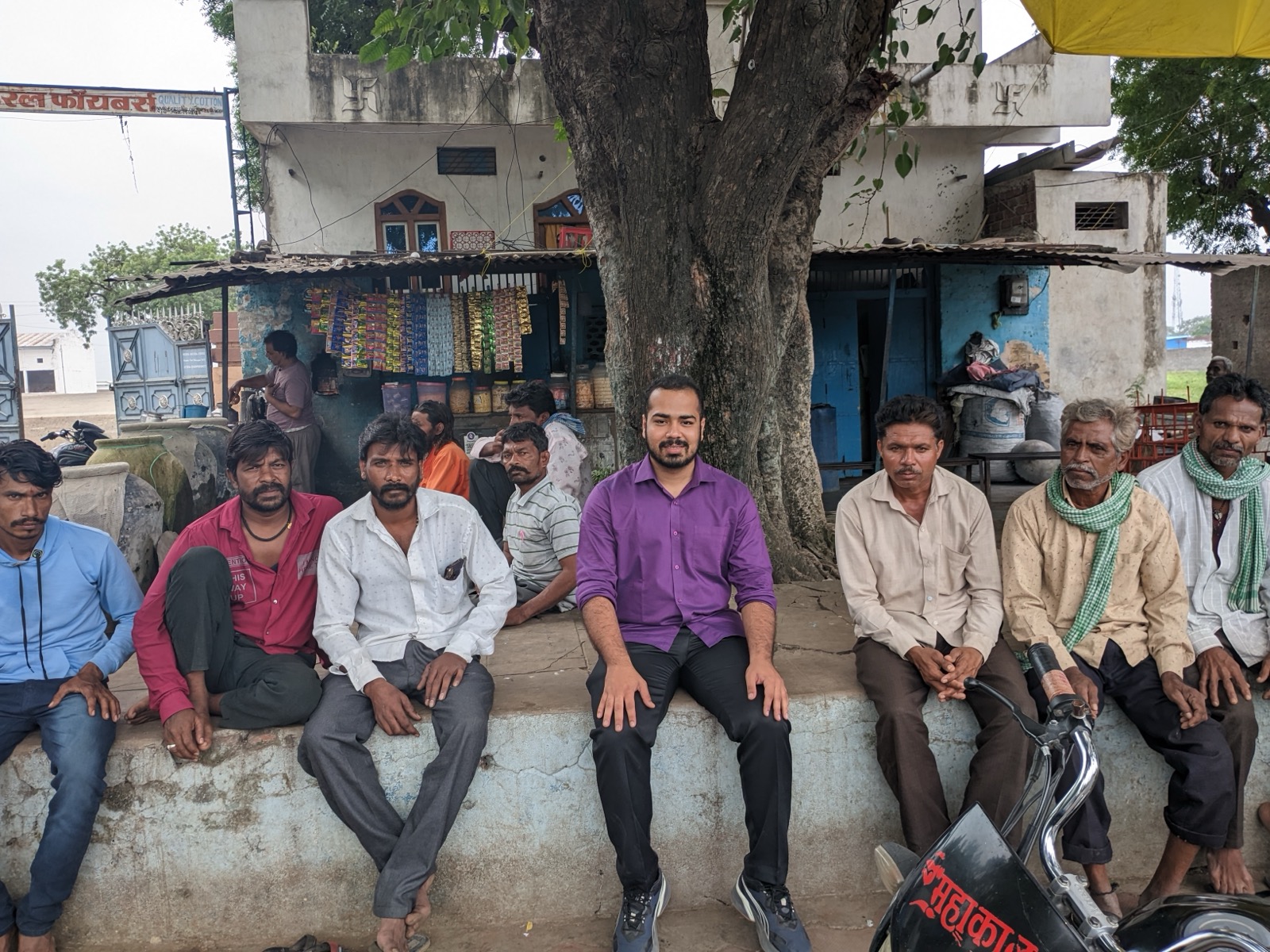
Field visit to Bhikangaon, a tribal area in Madhya Pradesh — understanding governance and political situations through community interviews, 2023.
The Field
Then came the most formative experience of my career. I joined Nation with Namo (Mantrana), a political consulting firm founded by ex-McKinsey consultants. Over 1.5 years, I worked across 3 states and 60+ constituencies — handling survey management, strategy documents, and campaign planning.
I was promoted to lead a team of analysts advising MLAs and candidates in the Delhi Assembly Elections. I led strategy for 54 assembly constituencies in Maharashtra, achieving a 100% candidate selection rate with a 96% win rate.
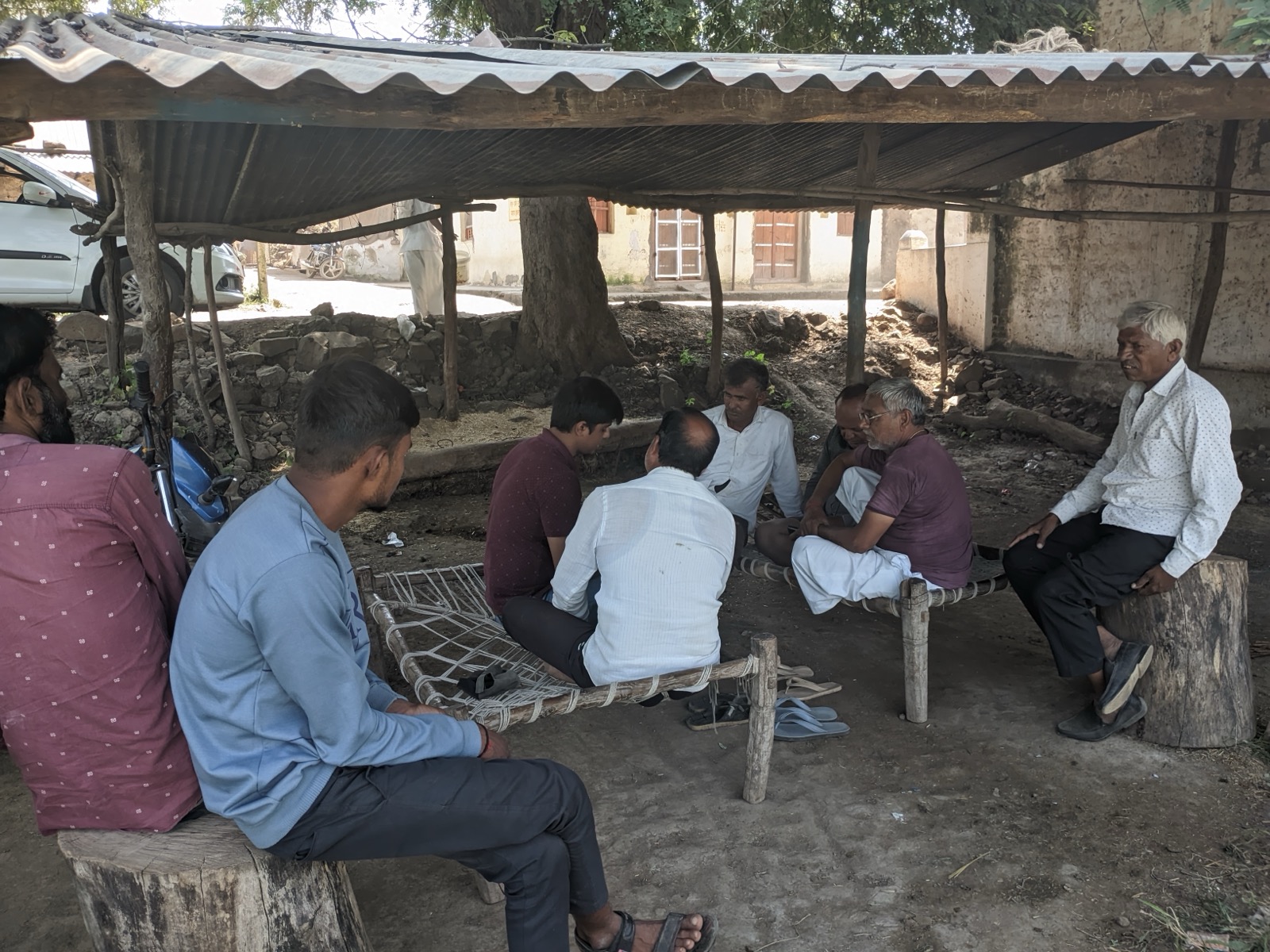
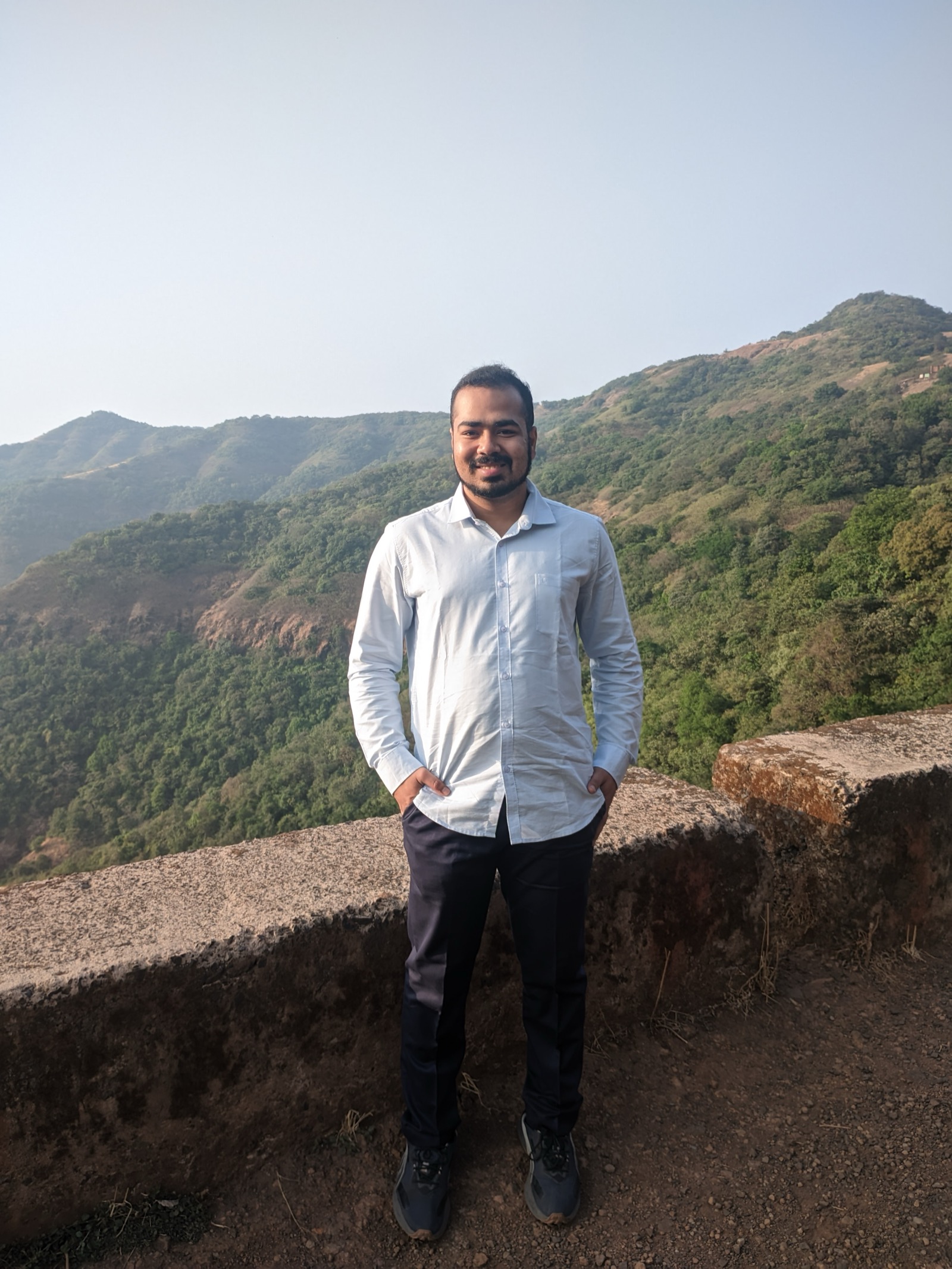
Fieldwork in Mandhata constituency, MP (left). During Maharashtra election survey work at Amba Ghat (right).
"The biggest lesson from the field: solutions succeed when designed around existing user behaviour, not imposed technology. This principle has guided everything I've built since."
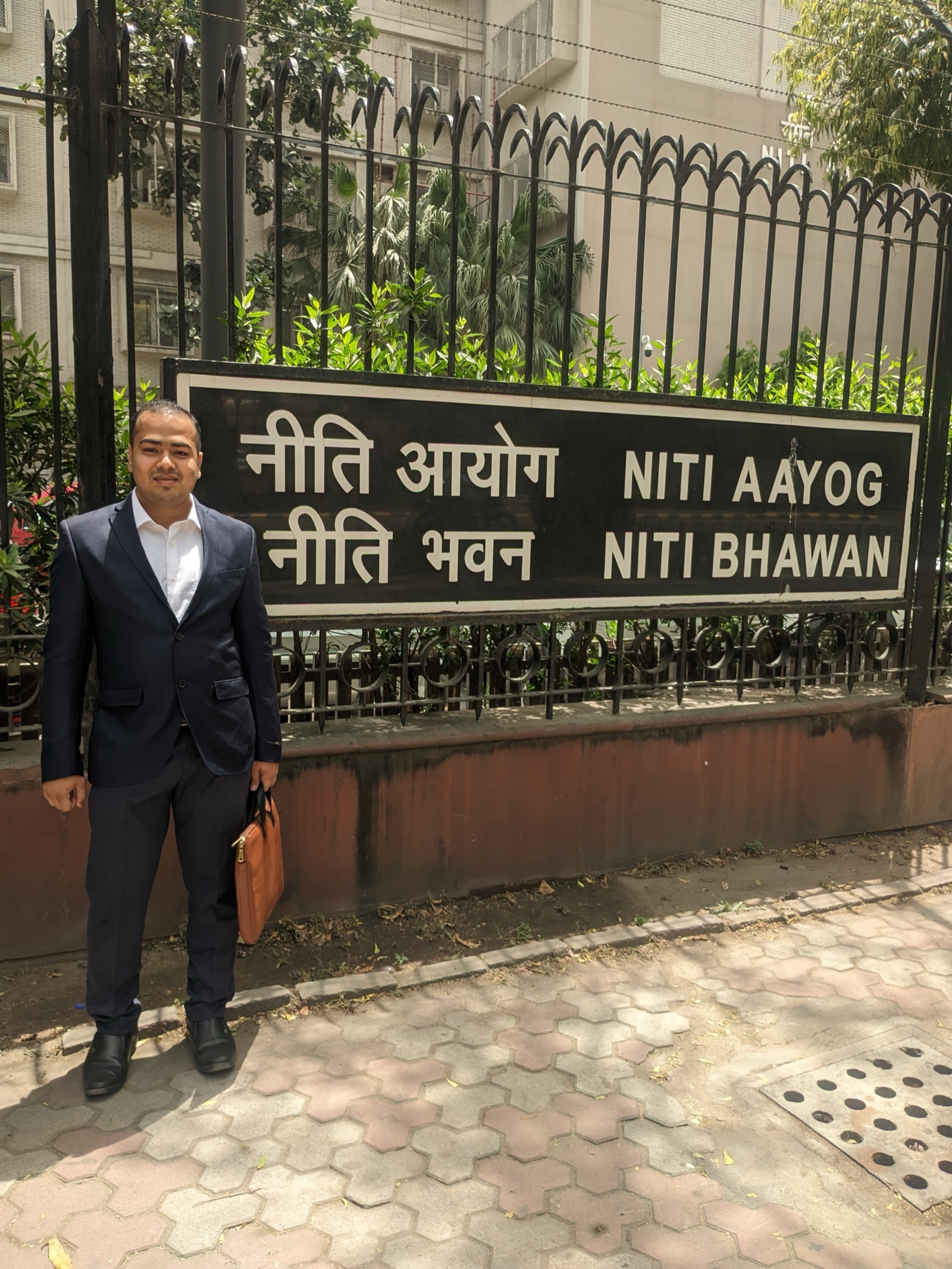
Outside NITI Bhawan after presenting the Biological Public Infrastructure white paper, April 2025.
Building What's Next
Eventually, I wanted to shift toward tech-driven social impact. I focused on upskilling — working as an AI Trainer in the Marathi language, completing a Graduate Certificate in Public Policy from Takshashila (with distinction), and taking on consulting assignments with NITI Aayog and BMC.
These led to projects like the Biological Public Infrastructure proposal presented to NITI Aayog, the Climate Action Capacity Building workshop with the Brihanmumbai Municipal Corporation, and an op-ed in Loksatta advocating for AI-based transliteration of the Modi script.
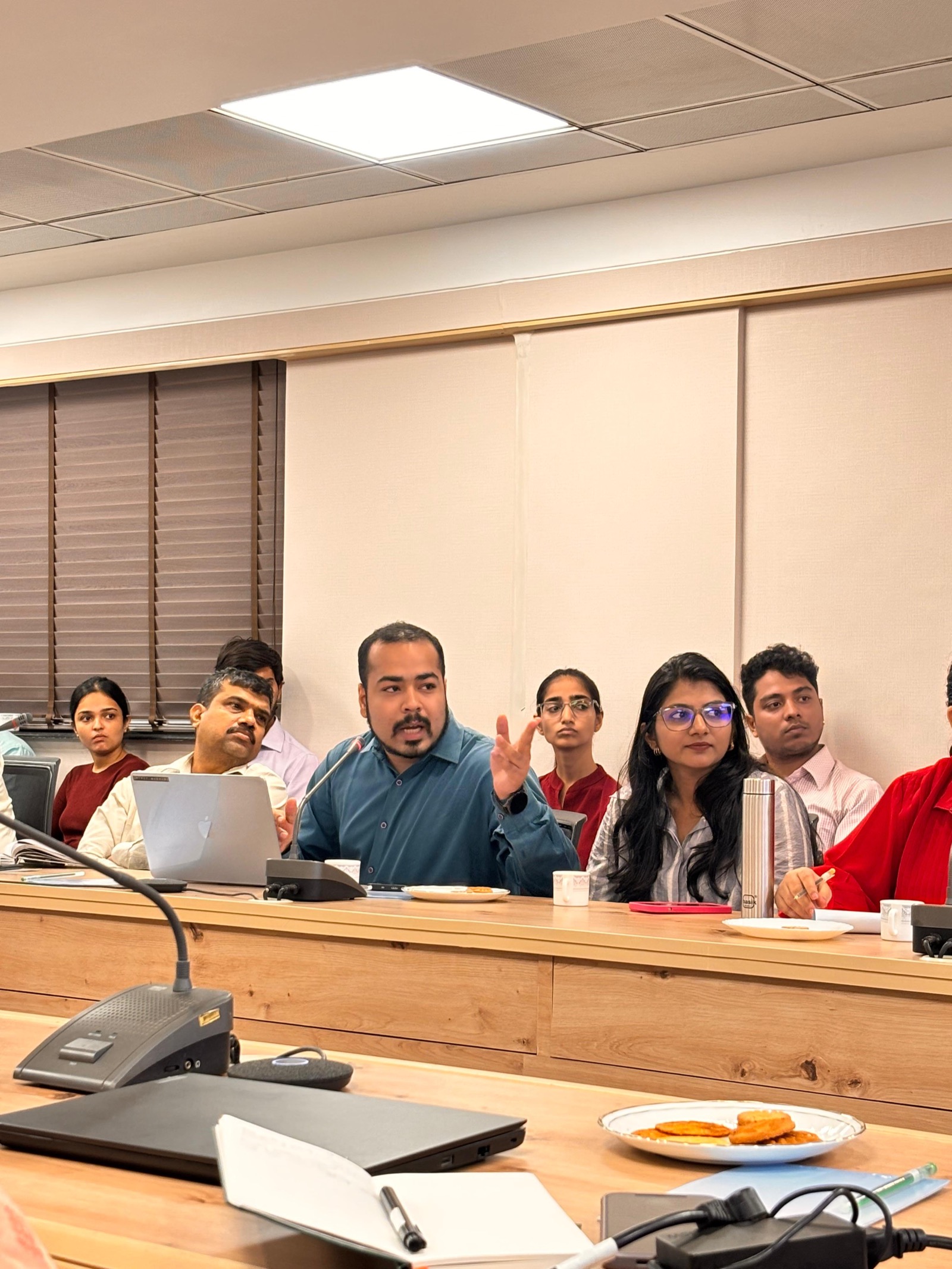
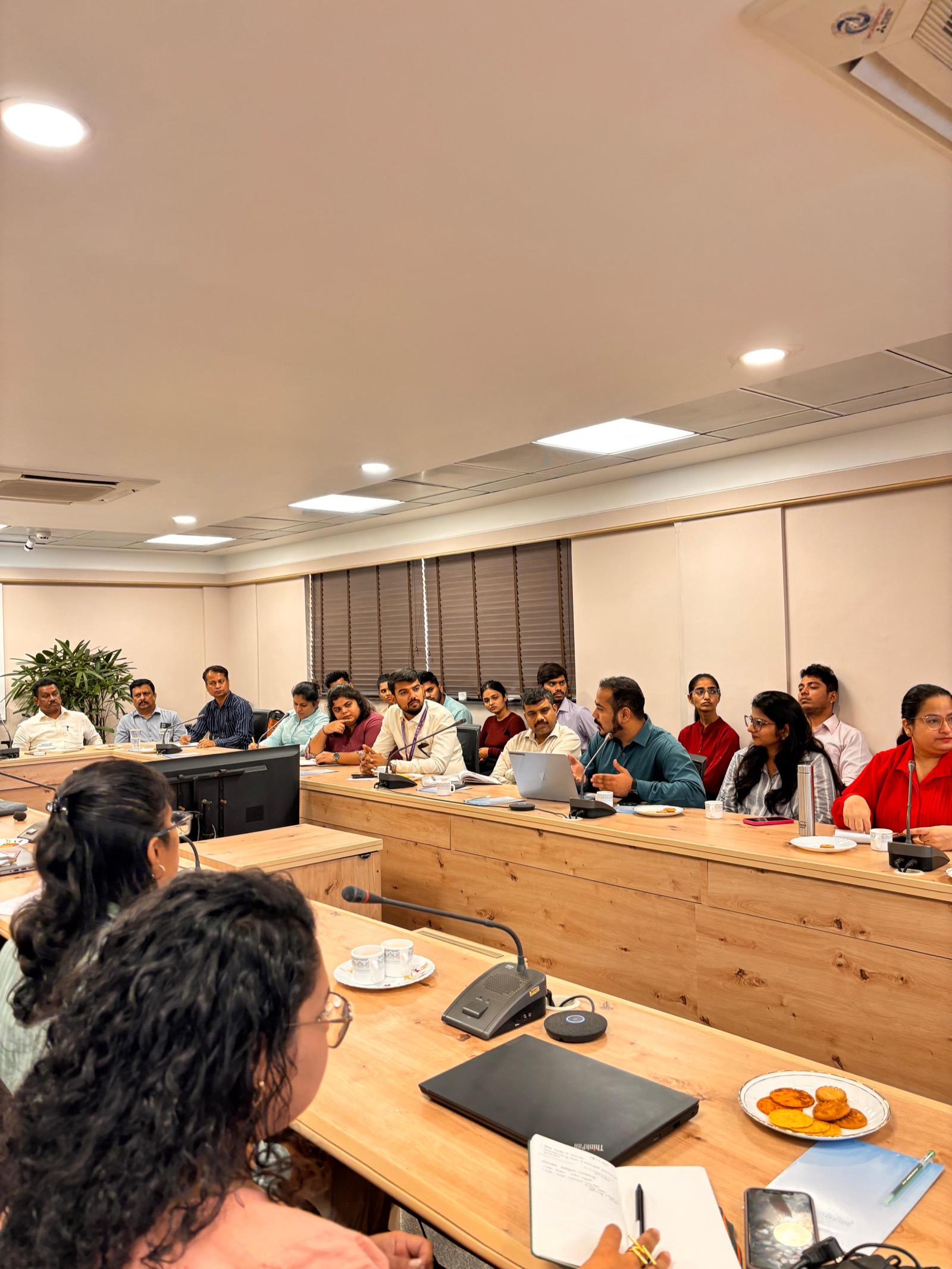
Presenting climate action findings to ward commissioners and State Climate Action Cell at BMC, July 2025.
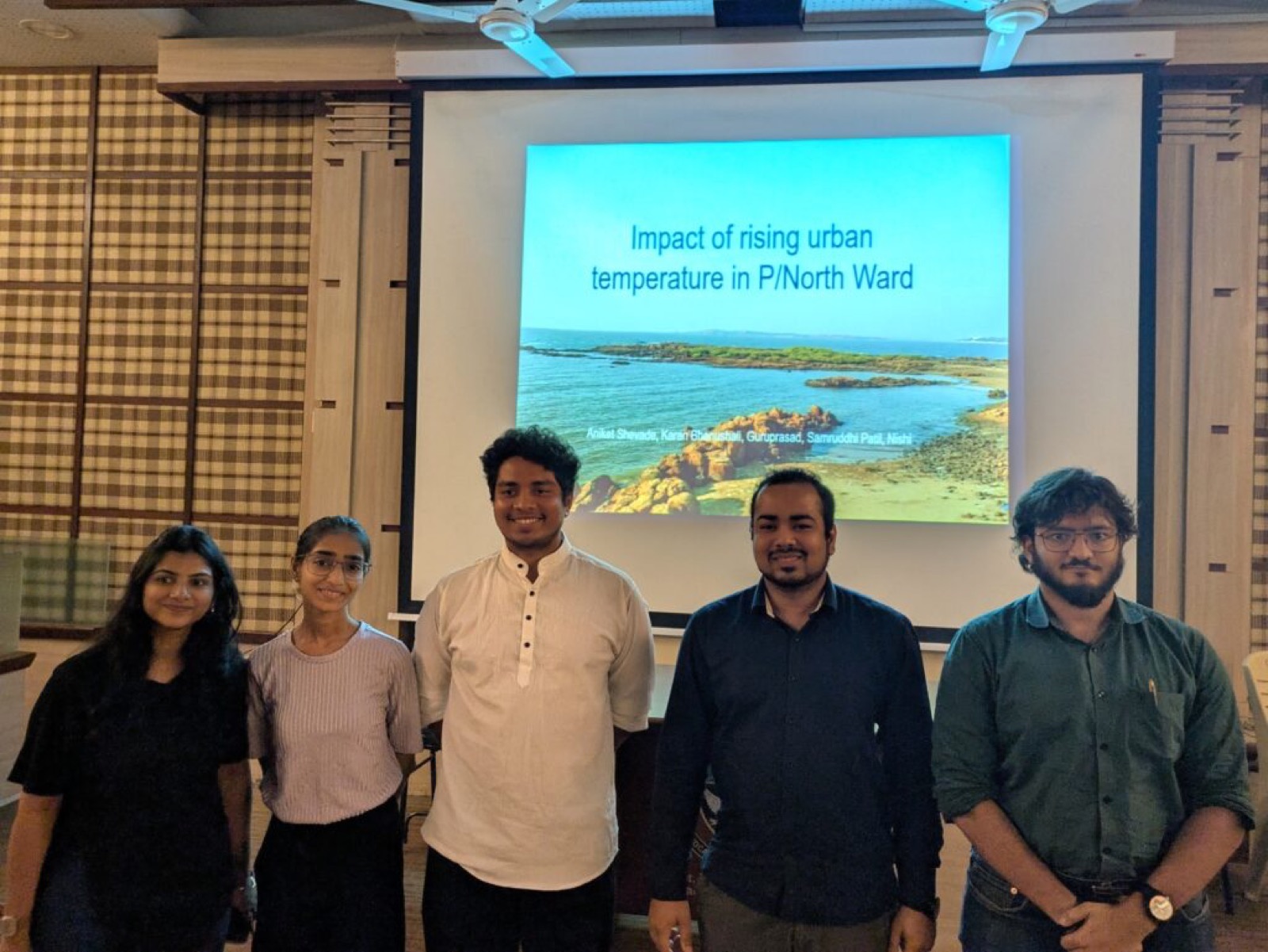
OpenCity Datajam that started it all — our team's analysis of rising urban temperatures in Mumbai's P/North Ward.
Now, as an Associate Fellow at the Esya Centre, I research how India should govern AI and emerging technologies. I was selected into the Applied Policy Fellowship (10-member cohort from 200+ applicants) in association with the Observer Research Foundation. My work sits at the intersection of policy, data, and technology.
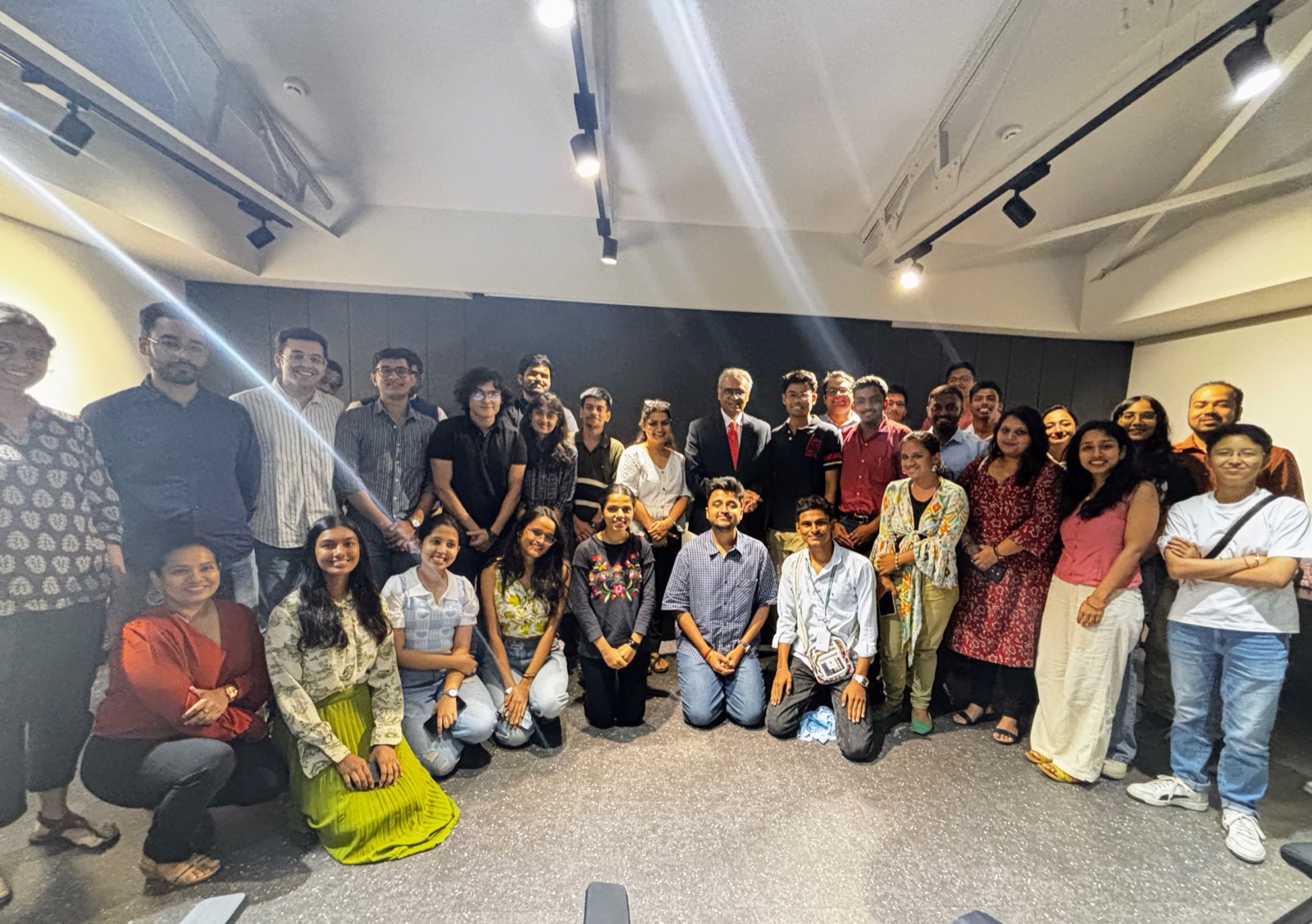
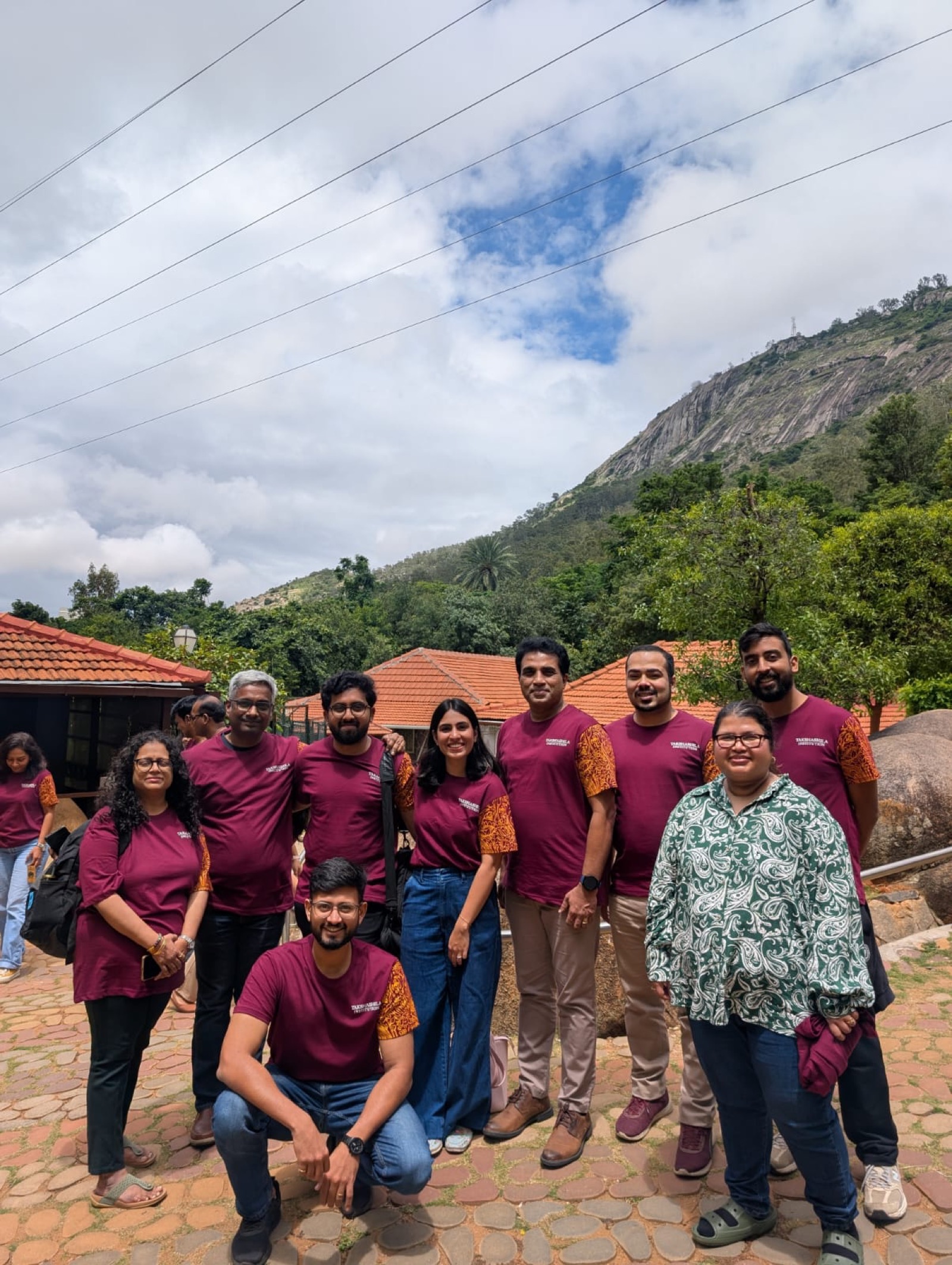
Public Policy India Mumbai meetup with Syed Akbaruddin as speaker (left). GCPP workshop cohort at Takshashila Institution (right).
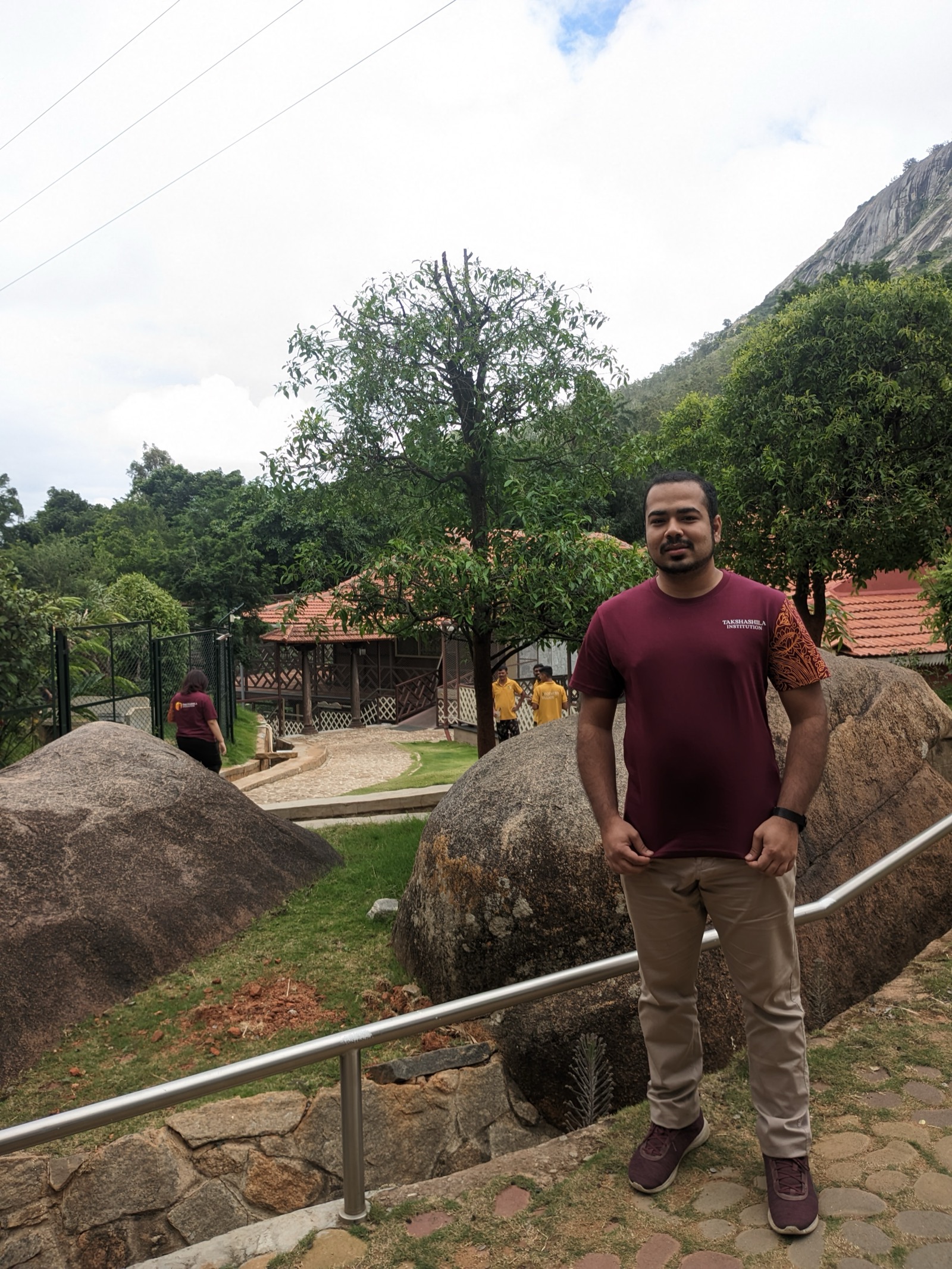
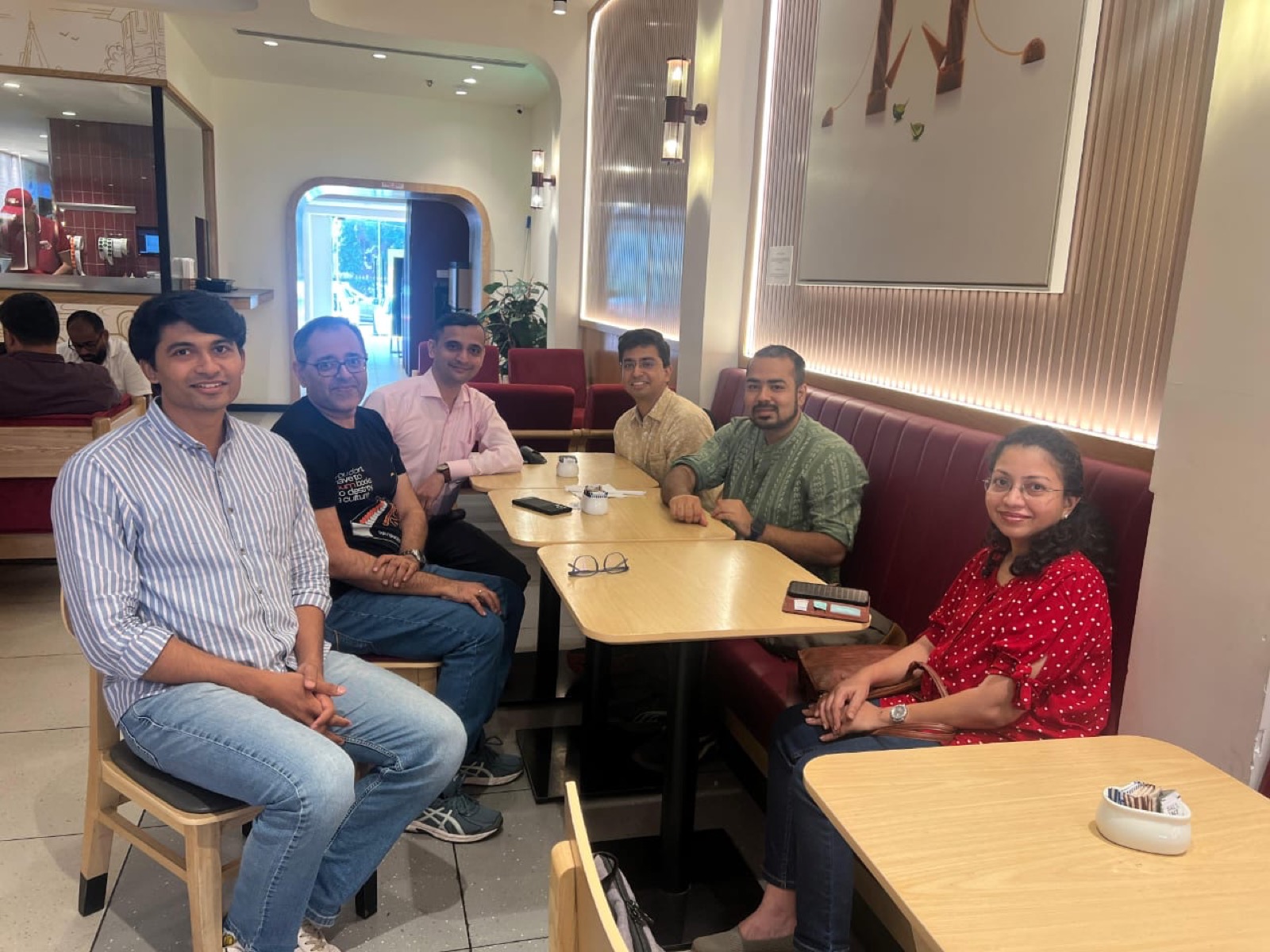
At the Takshashila GCPP workshop (left). Mumbai Policy Collective — a Takshashila alumni initiative to discuss, analyse, and disseminate policy through a Mumbai lens (right).
"My goal is to combine policy, field operations, and technology to contribute to systemic problem-solving — while continuing to build the analytical and leadership skills needed for larger-scale initiatives."
Want to collaborate or just say hello?
Get in Touch